What Steps Are Needed for a Sustainable Vehicle Upgrade?
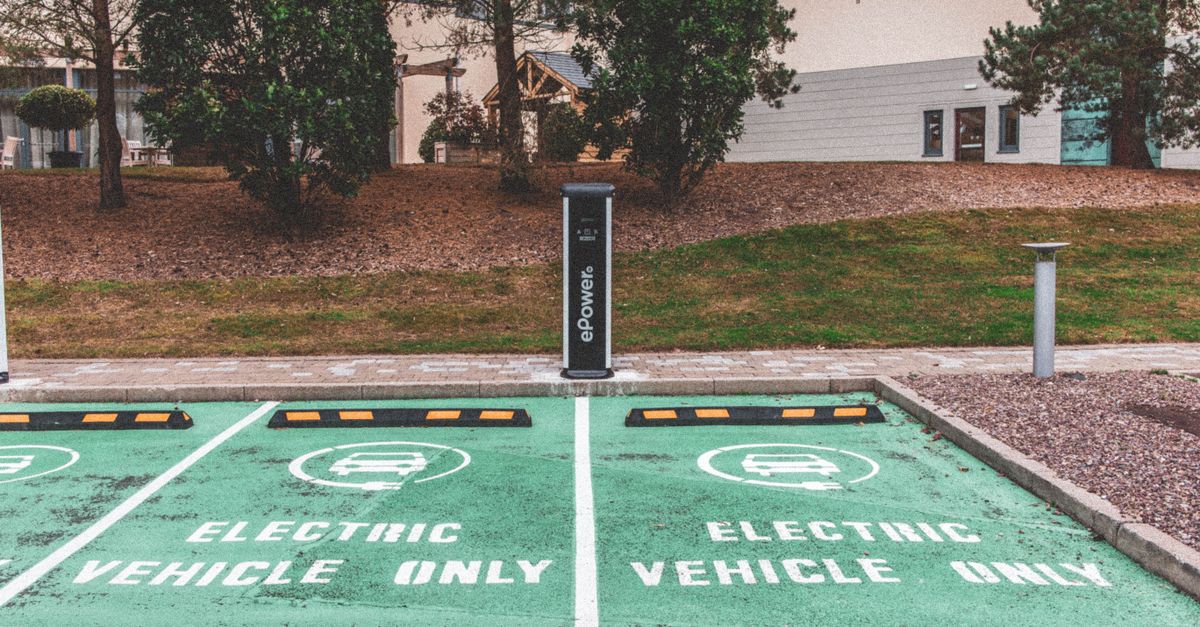
The automotive industry is shifting fast. In 2026, green car technology isn’t just a trend; it’s becoming the baseline for responsible ownership. If you’re looking to turn an existing vehicle into a sustainable transportation solution, you need a clear plan that balances performance, cost, and environmental impact.
1. Understand Why Green Car Technology Matters Today
I’ve seen how rapidly emissions standards tighten in every state. The EPA’s 2026 target for new vehicles is an average of 30% lower tailpipe CO₂ than the 2018 baseline. That means manufacturers are pushing battery packs, hybrid powertrains, and lightweight materials to meet the goal.
From a consumer standpoint, green car technology offers tangible benefits: lower fuel costs, reduced maintenance, and a smoother ride thanks to modern electric drivetrains. It also aligns with the growing trend toward smart vehicle technology that collects data for predictive maintenance.
When you evaluate your vehicle’s potential for upgrades, consider its age, mileage, and existing components. Older models may lack the architecture needed for certain high‑tech additions, but many 2010‑2015 cars still support retrofit kits that bring them up to date with today’s standards.
Beyond regulations, there is a cultural shift as well. Consumers increasingly value vehicles that demonstrate environmental stewardship, and insurance companies are starting to offer reduced premiums for certified eco‑friendly upgrades. This creates an additional incentive for owners to pursue sustainable conversions before the next wave of policy changes.
2. Assess Your Vehicle’s Current Sustainability Profile
The first step in any upgrade is a baseline assessment. Knowing where you stand lets you target the most impactful changes.
Assessment Checklist
- Original engine type and fuel efficiency (mpg or kWh/100mi)
- Current emission rating and compliance with local regulations
- Age, mileage, and major component wear (tires, brakes, suspension)
- Availability of aftermarket retrofit kits for hybrids or electric conversions
- Existing onboard diagnostics (OBD‑II) support for smart tech integration
- Interior insulation and weight distribution affecting efficiency
- Current battery health if the vehicle is already a plug‑in
- Owner’s willingness to invest in long‑term upgrades vs. short‑term fixes
- Electrical system capacity (12 V, 48 V, or higher) for future powertrain additions
- Availability of spare parts and service expertise within your region
In my experience, skipping this step often leads to overpaying for parts that won’t deliver measurable gains.
3. Pick the Right Sustainable Vehicle Upgrades
Once you know what your car can handle, choose upgrades that maximize efficiency without compromising reliability.
Upgrade Options and Their Impact
- Hybrid or Plug‑in Hybrid Conversion Kits: Adds an electric motor and battery pack; reduces fuel use by up to 50% in city driving.
- Battery Swaps for Existing EVs: Replaces aging cells with newer chemistries, extending range and lifespan.
- High‑Efficiency Turbochargers: Improves combustion efficiency and boosts power while lowering fuel consumption.
- Lightweight Carbon Fiber or Aluminum Panels: Cuts curb weight by 5–10%, improving overall mileage.
- Solar Roof Installations: Generates supplemental charge; useful for short commutes or trickle‑charging overnight.
- Regenerative Braking Systems: Recovers kinetic energy during deceleration, extending electric range in hybrids.
- Eco‑Mode Driving Software: Optimizes throttle response and power distribution for maximum efficiency.
- Advanced Tire Technology (Low Rolling Resistance): Reduces drag by up to 7%, translating into real fuel savings.
- High‑Capacity Power Electronics: Upgrades inverters, DC‑DC converters, or battery management systems to improve overall powertrain efficiency.
- Smart Aerodynamics Kits: Add active grille shutters or rear spoilers that adjust based on speed and load.
Choosing the right mix depends on your driving patterns. A commuter who spends most of their time in stop‑and‑go traffic benefits more from regenerative braking and turbocharging than a weekend off‑roader looking for extended range. For those with access to charging infrastructure, a plug‑in hybrid or full EV conversion offers the best long‑term savings.
4. Integrate Smart Vehicle Technology to Maximize Efficiency
The future of sustainable transportation is as much about data as it is about powertrains. Smart vehicle technology turns your car into an active participant in its own optimization.
Key Smart Features to Consider
- Telematics and Fleet Management Software: Tracks fuel consumption, engine health, and driver behavior.
- Predictive Maintenance Alerts: Uses AI to flag potential failures before they happen.
- Connected Energy Management Systems: Syncs vehicle charging with grid load data for off‑peak usage.
- Vehicle‑to‑Grid (V2G) Capabilities: Allows the car’s battery to feed energy back into the home or utility grid during peak demand.
- Smart HVAC Controls: Uses real‑time temperature and occupancy data to minimize climate control energy.
- Driver Coaching Apps: Provides feedback on acceleration, braking, and lane‑keeping habits that affect fuel economy.
- OTA (Over‑The‑Air) Software Updates: Keeps the vehicle’s firmware current without a dealership visit.
In my experience, adding a telematics module is often the most cost‑effective way to monitor efficiency gains after an upgrade. It gives you hard data to justify future investments or insurance savings.
When selecting smart tech, consider interoperability with your existing systems. Compatibility with major platforms such as Android Auto, Apple CarPlay, and standardized OBD‑II protocols ensures that you can expand functionality over time without replacing entire modules.
The key takeaway: A sustainable vehicle upgrade is a layered process—start with a solid assessment, pick upgrades that fit your usage, and finish by embedding smart tech that turns those improvements into measurable savings.5. Calculate Costs, ROI, and Potential Savings
Upgrades can range from a few hundred dollars for a new set of tires to several thousand for a full hybrid conversion. Understanding the financial picture helps you decide if the investment is worthwhile.
Cost Factors & Expected Payback
- Component Costs: Batteries ($1,500–$3,000), motor kits ($800–$2,000), software licenses ($200–$400).
- Installation Labor: DIY vs. shop—DIY saves up to 40% but requires time and technical skill.
- Tax Incentives & Rebates: Federal tax credit up to $7,500 for certain EV conversions; state rebates vary.
- Fuel Savings: Estimate based on average miles per year; a typical commuter can save $200–$400 annually.
- Maintenance Reduction: Fewer moving parts in electric motors lower routine service costs by 10–20%.
- Resale Value Increase: Certified eco‑upgrade certificates can add 5–15% to a vehicle’s market value after five years.
The break‑even point typically falls between 2 and 5 years, depending on the upgrade mix and driving habits. Keep a spreadsheet to track actual savings versus projected figures—this data is invaluable for future upgrades or resale value discussions.
6. Implement the Upgrade Plan While Avoiding Common Pitfalls
Execution is where many projects stall. Below are common mistakes and how to dodge them.
- Ignoring Compatibility: Always confirm that new components fit the vehicle’s existing architecture before buying.
- Underestimating Labor Time: Even simple upgrades can take 10–15 hours; plan accordingly.
- Neglecting Warranty Implications: Some OEM warranties void if aftermarket parts are installed.
- Failing to Document Changes: Keep receipts and a log of modifications for future reference or resale.
- Skipping Professional Testing: After major powertrain changes, have the vehicle inspected by a certified technician.
- Overlooking Electrical Load Calculations: Verify that the alternator and battery bank can support added electronics without compromising reliability.
7. Measure Performance and Refine Over Time
The upgrade isn’t finished once the last bolt is tightened. Continuous monitoring turns data into actionable insights.
Performance Metrics to Track
- Miles per gallon or kWh/100mi: Compare pre‑ and post‑upgrade figures.
- Battery State of Charge (SoC) curves: Identify over‑charging patterns that shorten lifespan.
- Engine Load Distribution: Ensure hybrid components are being utilized as intended.
- Driver Behavior Scores: Use telematics to see if coaching improves efficiency.
- Charging Efficiency (% of energy lost during charge): Monitor inverter and charger performance.
- Thermal Management Efficiency: Track coolant temperatures and HVAC load to spot inefficiencies.
Set quarterly reviews. If the data shows underperformance, revisit component selection or recalibrate software settings.
By following these steps—assessment, targeted upgrades, smart integration, cost analysis, careful implementation, and ongoing measurement—you’ll turn your existing car into a modern, eco‑friendly transportation asset that delivers real savings and aligns with 2026’s sustainability goals.
What part of the upgrade process do you find most challenging, and how have you addressed it in your own vehicle?