Top Smart Car Innovations and Conversions: Paving the Way for the Zero-Emission Vehicles of the Future

As a fervent advocate for technological advancement and environmental sustainability, I've closely watched the evolution of the automotive industry towards smarter, cleaner solutions. Today, we're delving into the realms of electric car specialists, smart car innovation, and smart car conversions—a critical pivot point for anyone looking to embrace the car of the future and contribute to a zero-emission world.
Understanding Smart Car Innovations
The landscape of smart car innovations is vast and constantly expanding. Companies around the globe are pushing the boundaries of what vehicles can achieve, focusing not only on electric powertrains but also on enhancing connectivity and autonomous driving capabilities. Smart cars today are more than just vehicles; they are interconnected hubs that blend seamlessly into our digital lives.
In my experience, advancements in this field are not just about hardware but also involve significant software upgrades that improve safety, efficiency, and user experience. For example, features like predictive maintenance, collision avoidance systems, and real-time traffic updates have become standard expectations in new models.
Key Innovations in Smart Cars
- Enhanced battery technology for longer range
- Integration of AI for personalized driving experiences
- Improved safety features through sensors and cameras
- Eco-friendly materials and manufacturing processes
These innovations contribute significantly to the development of smart cars that are not only environmentally friendly but also aligned with modern lifestyle needs.
The Role of Electric Car Specialists
Electric car specialists are crucial in the transition to zero-emission vehicles. These professionals possess in-depth knowledge of electric vehicle (EV) technology, including battery management systems, electric motor configuration, and energy regeneration techniques. Their expertise ensures that the vehicles are not only efficient but also reliable and suitable for everyday use.
Electric car specialists also play a vital role in education and advocacy, helping consumers understand the benefits and practicalities of switching to EVs. They address common concerns such as charging infrastructure and range anxiety, making the transition smoother for new users.
Services Offered by Electric Car Specialists
- Custom EV design and assembly
- Battery optimization and replacement solutions
- EV maintenance and troubleshooting
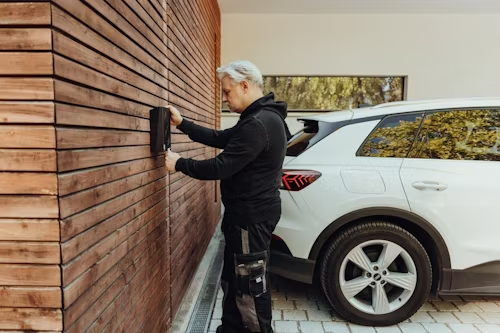
- Installation of home and commercial charging stations
By leveraging the expertise of electric car specialists, consumers can enjoy enhanced performance and longevity from their EVs, making these vehicles a more attractive option for the mainstream market.
Exploring Smart Car Conversions
Not everyone is ready to purchase a new electric vehicle, which is where smart car conversions come into play. This process involves retrofitting traditional gasoline-powered cars into electric ones, giving them a new lease on life as zero-emission vehicles. It's a practical solution for reducing environmental impact while preserving the automotive heritage.
Smart car conversions involve replacing the internal combustion engine with an electric motor and batteries. It requires significant technical skills and understanding of both old and new automotive technologies. However, the result is a personalized vehicle that combines the charm of classic cars with the benefits of modern efficiency.
Benefits of Smart Car Conversions
- Reduction in greenhouse gas emissions
- Extended vehicle lifespan
- Decreased maintenance costs
- Eligibility for EV incentives and rebates
The appeal of smart car conversions lies in their ability to democratize access to EV technology, allowing more people to participate in the ecological benefits of zero-emission driving without the need for significant upfront investments in new vehicles.
The transition to smart, zero-emission vehicles is not just a technological shift but a cultural one, requiring us all to rethink our relationship with transportation. What are some of the challenges you foresee or have experienced in adopting smart car technology?