Smart Car Conversions in Dallas, TX for Eco-friendly vehicle enhancements

The push toward greener transportation is accelerating, and many Dallas drivers are turning to smart car conversions to upgrade their existing vehicles. Whether you’re looking to swap an internal combustion engine for an electric motor or add cutting‑edge battery technology, understanding what to ask before booking can save time, money, and frustration.
Why Smart Car Conversions Matter in 2026
By 2026, Dallas has seen a surge in traffic congestion and rising fuel costs. Smart car conversions offer a cost‑effective way to reduce emissions without buying a brand new vehicle. They also unlock access to newer battery chemistries and regenerative braking systems that are becoming standard on new electric models.
In my experience, converting an older sedan into an EV can cut monthly fuel expenses by 70% while keeping the familiar feel of your beloved car. The environmental benefit is clear—zero tailpipe emissions—and the resale value often rises because buyers are eager for “green” upgrades.
Beyond individual savings, conversions contribute to Dallas’s broader sustainability goals. By lowering overall vehicle emissions, communities can see improved air quality and reduced noise pollution. Additionally, converted vehicles help diversify the local fleet, encouraging other businesses to adopt similar practices and fostering a culture of innovation around electric mobility.
Key Questions to Ask Before Booking
If you’re serious about a conversion, start with these essential questions. They help you gauge feasibility, cost, and long‑term support.
Essential Conversation Points
- What is the total estimated cost of the conversion, including parts, labor, and permits?
- Will the manufacturer’s warranty remain valid after the upgrade?
- Which battery chemistry will be used, and what is its projected lifespan?
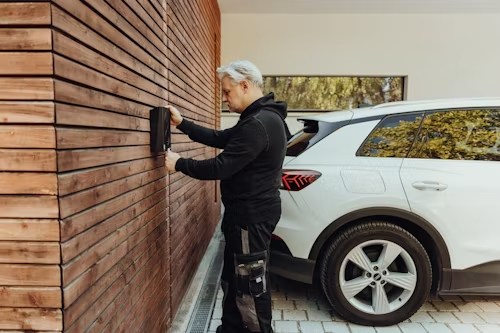
- Does the provider offer a charging station installation or integration with existing infrastructure?
- What is the expected range on a full charge for my specific vehicle model?
After discussing these points, you’ll have a clearer picture of whether a conversion aligns with your budget and driving habits.
Cost Considerations & Return on Investment
The upfront cost of a conversion can range from $5,000 to $15,000 depending on vehicle type and battery size. However, the long‑term savings are significant. Electricity is typically 70% cheaper than gasoline per mile, and maintenance costs drop because electric drivetrains have fewer moving parts.
In my experience, drivers who convert their cars see a payback period of roughly three to five years when factoring in fuel and maintenance savings. Add potential tax credits or rebates available through the City of Dallas and Texas state programs, and the ROI improves further.
Technical Aspects: Batteries, Charging & Software
A successful conversion hinges on selecting the right battery pack and charging solution. Lithium‑ion packs with high energy density are standard today, offering 300–400 miles of range for mid‑size cars. The charging port is another critical decision—Level 1 (120 V) is inexpensive but slow; Level 2 (240 V) delivers a full charge in about two hours.
Software integration is equally important. Modern conversions use microcontrollers to manage battery state of charge, thermal regulation, and regenerative braking. A reliable OTA update mechanism ensures your vehicle’s firmware stays current without the need for shop visits.
Step‑by‑Step Conversion Process
The typical workflow starts with a detailed assessment of the existing vehicle. Technicians evaluate structural integrity, electrical architecture, and available space for battery placement. Next comes design: engineers choose compatible motor, inverter, and controller components that fit the car’s dimensions while meeting performance goals.
Once the design is approved, parts are sourced—often from OEM suppliers or certified partners—to guarantee quality and compatibility. The installation phase follows: the internal combustion engine is removed, the drivetrain is reconfigured, and the battery pack is secured in the designated compartment. Finally, rigorous testing verifies safety, performance, and compliance with local regulations.
Common Pitfalls & How to Avoid Them
1. Underestimating Space Requirements: Electric batteries are bulky. Make sure the conversion shop can fit a suitable pack in your vehicle’s trunk or undercarriage.
2. Ignoring Electrical System Compatibility: Older vehicles may have outdated wiring that cannot handle higher current loads. A thorough electrical assessment is mandatory.
3. Skipping Warranty Checks: Converting a vehicle can void warranties on critical components. Verify what remains covered post‑conversion.
4. Choosing Non‑Certified Parts: Stick to OEM or manufacturer‑approved components to avoid reliability issues.
5. Overlooking Cooling Solutions: Batteries generate heat during operation and charging. Neglecting an adequate thermal management system can reduce efficiency and lifespan.
Selecting a Reputable Provider in Dallas
The Dallas market hosts several conversion specialists, but not all meet the same standards. Focus on providers who offer transparent pricing, proven track records, and post‑installation support.
Evaluation Criteria for Smart Car Conversion Shops
What to Look For
- Years of experience in EV conversions and a portfolio of completed projects.
- Certifications from recognized bodies such as SAE or the National Highway Traffic Safety Administration (NHTSA).
- Clear documentation on battery management systems, charging infrastructure, and warranty coverage.
- Positive customer testimonials and case studies specific to Dallas clients.
In my experience, providers who invest in staff training and maintain an open line of communication with customers tend to deliver smoother projects and higher satisfaction rates.
After the Conversion: Maintenance & Support
Once your vehicle is upgraded, ongoing maintenance differs from traditional cars. Battery health monitoring becomes a priority; most conversions offer dashboards that alert you to low state of charge or temperature irregularities. Regular software updates keep the vehicle’s performance optimized.
In Dallas, many conversion shops provide a 12‑month service package that includes battery diagnostics and charging station setup checks. This ensures any emerging issues are addressed before they become costly problems.
Daily Charging Habits
To maximize battery longevity, it’s recommended to keep the state of charge between 20% and 80%. Frequent full charges can stress the cells over time. If you have a Level 2 charger at home, a typical overnight session will bring most batteries back to around 90–95%, which balances convenience with preservation.
Utilizing Public Charging Networks
Dallas hosts an expanding network of public chargers, many of which support Level 2 and DC fast charging. When planning longer trips, map out these stations in advance; most EV‑ready apps provide real‑time availability and pricing information, helping you avoid unexpected downtime.
The most critical factor for a successful conversion is matching the right battery technology to your vehicle’s architecture and driving needs. Choosing a reputable provider that offers transparent pricing and robust post‑installation support will maximize both performance and ROI.In my experience, drivers who conduct thorough research before booking their conversion report fewer surprises during installation and enjoy smoother transitions into zero‑emission commuting.
What was the biggest surprise you encountered after completing a smart car conversion?