The Rise of Eco-Friendly Cars: Steering Towards a Zero-Emission Future

In the quest for a more sustainable and environmentally friendly future, the automotive industry has seen a significant shift towards eco-friendly cars. With increasing environmental concerns and the urgent need to reduce greenhouse gas emissions, more consumers and manufacturers are turning towards zero-emissions transportation. This move not only helps protect the environment but also offers innovative solutions for future-proof cars. In this blog post, we will delve into the world of electric vehicle solutions, exploring how they contribute to the advancement of eco-friendly cars and what the future holds for this burgeoning sector.
Understanding Eco-Friendly Cars
Eco-friendly cars, often synonymous with zero-emissions vehicles, are designed to have a minimal environmental impact. These vehicles are typically powered by alternative energy sources such as electricity, hydrogen, or biofuels, unlike traditional vehicles that use gasoline or diesel. The benefits of eco-friendly cars go beyond just reducing emissions. They also help in decreasing noise pollution, reducing dependency on fossil fuels, and promoting the use of renewable energy sources.
Types of Eco-Friendly Cars
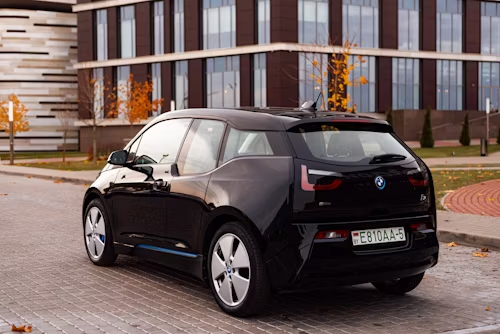
- Electric Vehicles (EVs): EVs are powered entirely by electricity stored in batteries. They are known for being quiet, efficient, and for having lower operating costs than internal combustion engine vehicles.
- Hybrid Vehicles: These vehicles combine an internal combustion engine with an electric motor, allowing them to utilize both gasoline and electricity. Hybrids can significantly reduce emissions compared to conventional vehicles.
- Hydrogen Fuel Cell Vehicles: These use hydrogen gas to power an electric motor. While less common, they produce water as the only emission and can be refueled quickly.
- Plug-in Hybrid Electric Vehicles (PHEVs): PHEVs can recharge their batteries directly from an electrical outlet, allowing them to drive significant distances on electricity before switching to gasoline.
The Journey Towards Zero-Emissions Transportation
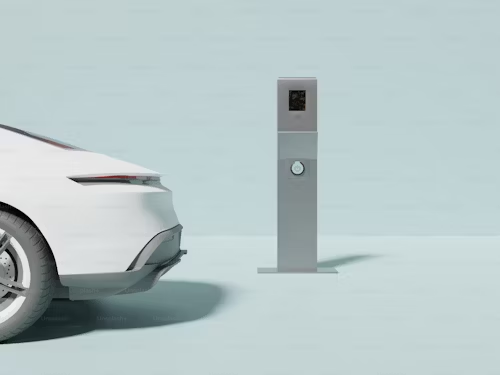
Zero-emissions transportation is considered the ultimate goal in the development of eco-friendly technologies in the automotive sector. This involves not only the adoption of vehicles that emit no exhaust pollutants but also creating a sustainable ecosystem that supports such technologies. The infrastructure for electric vehicles, such as charging stations and renewable energy sources, plays a crucial role in this transition.
Moreover, governments around the world are implementing stricter emission regulations and offering incentives for both manufacturers and consumers to adopt eco-friendly cars. These initiatives are critical in pushing the automotive industry towards zero-emissions.
Electric Vehicle Solutions: Paving the Way for Future-Proof Cars
Electric vehicles stand at the forefront of the revolution in eco-friendly cars. They offer several solutions that not only cater to environmental concerns but also meet the evolving demands of consumers. Here’s how they are shaping the future of transportation:
- Advancements in Battery Technology: Ongoing research in battery technology aims to increase energy density, reduce charging time, and extend the lifespan of batteries, making EVs more accessible and practical for everyday use.
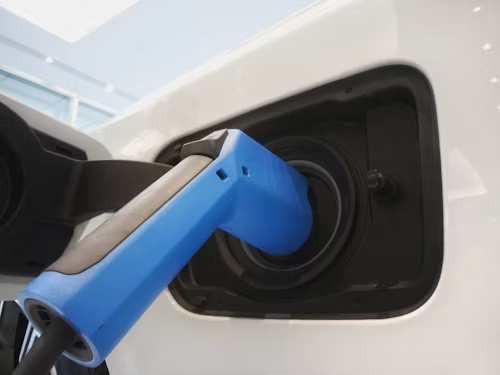
- Increased Charging Infrastructure: Expanding the network of public and private charging stations is crucial to accommodate the growing number of EVs on the road.
- Integration with Renewable Energy: Linking EVs to renewable energy sources like solar and wind minimizes the carbon footprint associated with their charging.
- Smart Technology Integration: Modern EVs are equipped with advanced technologies for enhanced safety, performance, and connectivity, making them attractive to tech-savvy consumers.
Challenges Facing Eco-Friendly Cars
Despite the clear benefits, the transition to eco-friendly cars faces several challenges. One of the major hurdles is the initial cost of EVs, which can be higher than traditional cars due to expensive battery packs. However, this is expected to change as battery technology advances and production scales up.
Another challenge is the range anxiety associated with EVs, as some consumers worry about the available driving distance on a single charge. However, with the improvement in battery capacity and an increase in charging stations, this concern is gradually being addressed.
The Future of Eco-Friendly Cars
The future of eco-friendly cars looks promising with continuous advancements in technology and increased consumer awareness. Autonomous driving technology, combined with electric powertrains, could further revolutionize the automotive industry by making transportation safer, more efficient, and even more environmentally friendly.
Moreover, the trend towards shared mobility and services like car-sharing and ride-hailing could be integrated with eco-friendly cars to reduce the overall number of vehicles on the road, thereby decreasing traffic congestion and emissions.
In conclusion, as the world moves towards more sustainable solutions, eco-friendly cars play a pivotal role in shaping our transportation future. With ongoing innovations in electric vehicle solutions and supportive policies, the dream of a zero-emissions transportation system is gradually becoming a reality. Embracing these future-proof cars not only contributes to a healthier planet but also paves the way for technological advancements that will benefit generations to come.