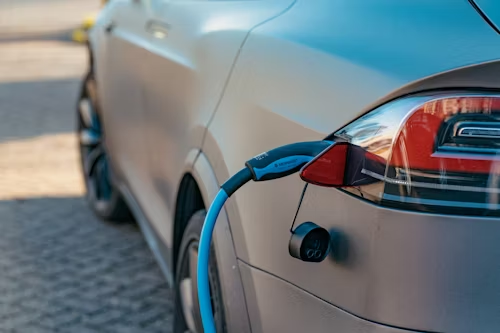
Revving Up the Future: How Smart Car Conversions Are Supercharging the Mazda RX-7 and Beyond

Picture this: the iconic Mazda RX-7, a symbol of sleek design and thrilling performance, now reimagined with cutting-edge smart car technology. It's not just a fantasy. Today, the fusion of classic sports car appeal with modern electric vehicle retrofitting is more than just a trend—it's a transformative movement within the automotive industry.
The Evolution of Car Conversions: From Gasoline to Electric
Once upon a time, the Mazda RX-7 roared through the streets with its rotary engine, a marvel of its era. Fast forward to the present, where smart car conversions breathe new life into such classics, aligning them with contemporary environmental standards and performance metrics.
Understanding Smart Car Conversions
Smart car conversions involve replacing the internal combustion engine of a vehicle with an electric motor and integrating advanced technologies that enhance the car's performance and usability. This transformation is not just about propulsion but includes the integration of smart technologies that make vehicles safer, more efficient, and more enjoyable.
Key Components of a Smart Car Conversion
- Electric Motor
- Battery Packs
- Regenerative Braking Systems
- Advanced Driver-Assistance Systems (ADAS)
Each component plays a crucial role in ensuring that the converted vehicle not only meets but exceeds the performance standards of many modern cars.
Benefits of Electric Vehicle Retrofitting
Converting a classic like the Mazda RX-7 to an electric vehicle isn't just about keeping up with technology—it's about setting new benchmarks in both performance and sustainability.
Advantages of Retrofitting to Electric
- Reduction in Carbon Footprint
- Increased Energy Efficiency
- Lower Operating and Maintenance Costs
- Extended Vehicle Life
These benefits make electric vehicle retrofitting an appealing option for car enthusiasts and environmental advocates alike.
Enhancing Performance with Smart Car Technology
The integration of smart technology doesn't just modernize the Mazda RX-7; it transforms it into a vehicle that can compete with the latest models on both performance and tech fronts.
Key Smart Technologies in Vehicle Performance
Smart car technology encompasses a range of features from enhanced navigation systems to autonomous driving aids, all designed to improve the driving experience.
Examples of Smart Car Technologies
- Adaptive Cruise Control
- Lane Keeping Assist
- Automated Parking Systems
- Real-time Diagnostics and Telematics
These technologies not only add to the safety and efficiency of the vehicle but also ensure a more connected and responsive driving experience.
Impact of Smart Technology on Vehicle Performance
With smart technology, vehicles like the Mazda RX-7 are no longer just about horsepower and torque. They become advanced, interconnected machines that offer a balanced package of performance, safety, and efficiency.
Performance Metrics Improved by Smart Technology
- Enhanced Acceleration
- Improved Fuel Efficiency
- Greater Predictive Maintenance
- Better Handling and Stability
These enhancements make smart car conversions an enticing proposition for anyone looking to upgrade their vehicle's capabilities.
Looking Ahead: The Future of Smart Car Conversions
The journey from a roaring Mazda RX-7 to a whisper-quiet electric dynamo illustrates the broader evolution of the automotive industry. As technology advances, the possibilities for smart car conversions expand, promising a future where innovation and nostalgia drive forward hand in hand.
The Potential of Hybrid Conversions
While fully electric conversions capture headlines, hybrid retrofits offer a middle ground, blending traditional and electric engines for improved efficiency and performance without full reliance on battery power.
Rising Trends in Hybrid Retrofitting
- Combination of Combustion Engine and Electric Motor
- Use of Smaller, More Efficient Engines Supplemented by Electric Power
- Integration of Solar Panels for Auxiliary Power
- Smart Energy Management Systems
This approach provides a practical pathway for transitioning from conventional to electric vehicles, offering benefits and flexibility for various needs and preferences.
Tags: Smart car conversions, Smart vehicle performance, Electric vehicle retrofitting, Smart car technology