Revolutionizing Transportation: The Surge of Electric Vehicle Retrofitting and Zero-Emissions Solutions

In the ongoing journey toward sustainable transport, significant strides have been made with innovations such as zero-emission vehicles and enhanced mobility systems. This post explores the transformative impact of electric vehicle (EV) retrofitting and advanced mobility solutions on personal and public transportation, highlighting how these developments contribute to a greener, more efficient world.
The Rise of Electric Vehicle Retrofitting
Electric vehicle retrofitting involves converting existing internal combustion engine vehicles into electric vehicles. This process not only breathes new life into older vehicles but also serves as a pivotal strategy in accelerating the transition to zero-emissions transportation. The benefits of EV retrofitting extend beyond environmental advantages, offering economic incentives and increased vehicle longevity.
One of the compelling draws of electric vehicle retrofitting is its potential to reduce the carbon footprint of existing automotive fleets without the need for entirely new vehicles. This is particularly vital in regions where the automotive industry plays a crucial role in the economy. Retrofitting helps preserve jobs while aligning with global environmental goals.
Additionally, retrofitting can be seen as a form of recycling, which conserves the energy and materials already invested in manufacturing existing vehicles. By upgrading rather than discarding, retrofitting supports a more sustainable form of consumer behavior, which is crucial in our resource-constrained world.
Key Components of EV Retrofitting
To understand how electric vehicle retrofitting works, it’s important to look at the key components involved in the process:
- Battery Pack: The heart of any electric vehicle, the battery pack stores the electrical energy necessary to power the vehicle. Advanced lithium-ion batteries are commonly used due to their efficiency and longevity.
- Electric Motor: The electric motor converts electrical energy from the battery into mechanical power to drive the wheels.
- Controller: This component manages the power flow between the battery and the electric motor, ensuring that the vehicle operates efficiently under different driving conditions.
- Charging System: Essential for re-powering the battery, the charging system allows the vehicle to connect to an external power source.
Each component must be carefully integrated into the vehicle’s existing system to ensure safety and performance that meets or exceeds that of the original configuration.
Expanding Horizons with Zero-Emission Vehicles
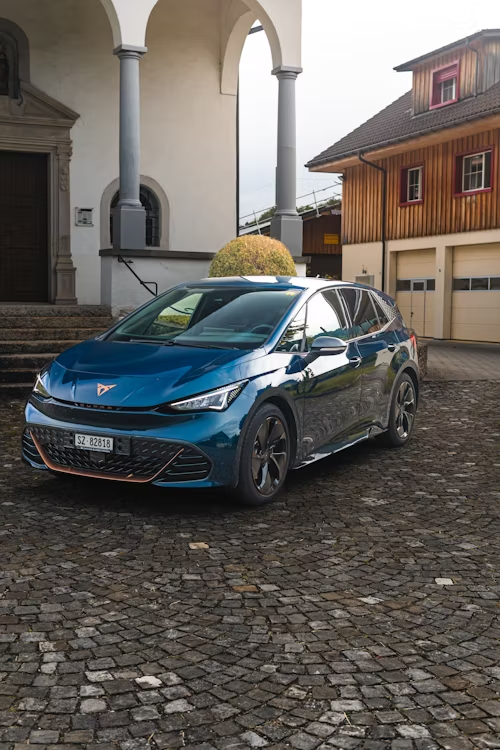
Zero-emission vehicles (ZEVs) are at the forefront of the shift towards cleaner, more sustainable transportation. Unlike conventional vehicles, ZEVs release no exhaust gases that contribute to air pollution and climate change. This category primarily includes battery electric vehicles (BEVs), hydrogen fuel cell vehicles (FCVs), and, to some extent, plug-in hybrids (PHEVs) with considerable zero-emission capabilities.
The proliferation of zero-emission vehicles is supported by several factors:
- Technological Advancements: Improvements in battery technology, energy density, and cost have made electric vehicles more accessible and practical for everyday use.
- Government Incentives: Many governments worldwide offer tax breaks, subsidies, and grants to encourage the adoption of ZEVs, reducing the total cost of ownership for consumers and businesses.
- Environmental Regulations: Stricter emissions regulations are pushing manufacturers and consumers away from fossil fuel-dependent vehicles.
- Public Awareness: Growing awareness about the impacts of climate change and air pollution has increased public demand for clean transportation options.
Enhanced Mobility Systems: Elevating Urban Transport
Advanced mobility solutions, including enhanced mobility systems, are redefining urban transport, making it smarter and more interconnected. These systems integrate various forms of transportation, such as public transit, ride-sharing, and EVs, into a seamless, accessible, and efficient network.
Key elements of enhanced mobility systems include:
- Integrated Transportation Platforms: These platforms offer real-time information and booking options across multiple modes of transport, simplifying user access and improving the overall travel experience.
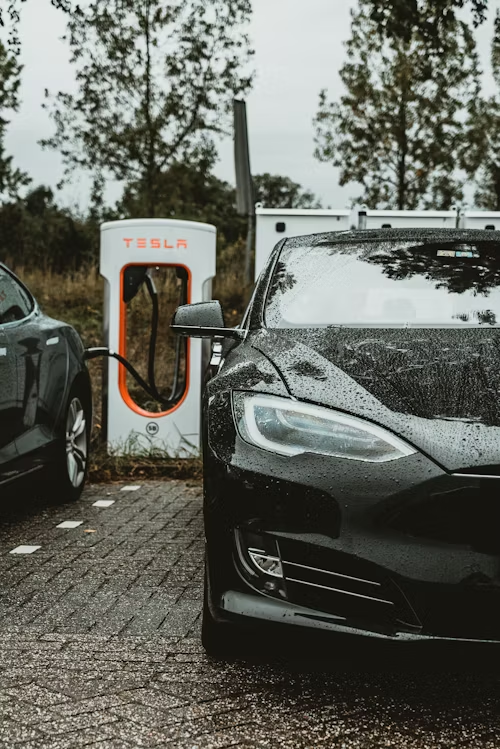
- Smart Infrastructure: From intelligent traffic management systems to EV charging networks, smart infrastructure supports a smoother, more efficient flow of both vehicles and information.
- Autonomous Vehicles: Self-driving cars and buses are set to play a significant role in reducing congestion and improving safety in urban environments.
By focusing on connectivity and user-centric solutions, enhanced mobility systems promise to make urban transportation more adaptable to the needs of modern cities and their inhabitants.
Looking Ahead: The Future of Transportation
As we advance toward a more sustainable future, the roles of electric vehicle retrofitting, zero-emission vehicles, and enhanced mobility systems will only grow. These technologies not only help reduce environmental impact but also offer practical, economic benefits that can transform everyday life.
Collaboration among policymakers, industry leaders, and consumers is essential to foster innovation and adoption of these advanced mobility solutions. By supporting policies that encourage the development and integration of these technologies, societies can move faster towards a zero-emission, highly efficient transportation paradigm.
In conclusion, the transition to zero-emissions transportation is well underway, with electric vehicle retrofitting playing a crucial role alongside the spread of new zero-emission vehicles and the development of enhanced mobility systems. Together, these advancements form the cornerstone of a sustainable, efficient, and exciting future for global transportation networks.