Revolutionizing Transportation: How Smart Vehicle Technology and Advanced Mobility Solutions Are Shaping the Future

The era of modern transportation is undergoing an unprecedented transformation, thanks to rapid advancements in smart vehicle technology and electric mobility solutions. These innovations are not merely enhancements but are pivotal in driving the shift towards more sustainable, efficient, and safe transportation systems. This comprehensive exploration delves into how smart vehicle technology integrates with advanced and electric mobility solutions to redefine our travel experiences and environmental impact.
The Rise of Smart Vehicle Technology
Smart vehicle technology, often referred to as intelligent or connected vehicle technology, incorporates various forms of information technology and artificial intelligence to create vehicles that can interact with the environment, other vehicles, and passengers. This technology is the cornerstone of the latest developments in the automotive industry, offering potential solutions to road safety, traffic congestion, and vehicle efficiency.
- Enhanced Safety Features: From automatic braking systems to advanced driver-assistance systems (ADAS), smart technology is significantly reducing the chances of accidents and enhancing road safety.
- Improved Traffic Management: Smart vehicles utilize real-time data to optimize routes, decrease traffic congestion, and contribute to smoother traffic flow.
- Eco-friendly Innovations: With features like smart grid technology and more efficient fuel consumption, smart vehicles offer a greener alternative to traditional cars.
These technological advancements are not just creating smarter cars but also paving the way for more intelligent transportation infrastructure.
Advanced Mobility Solutions: Enhancing Connectivity and Accessibility
Advanced mobility solutions refer to the integrated technologies and systems that enable safer, more efficient, and accessible transportation options. These solutions encompass a broad range of applications, from autonomous vehicles to integrated multi-modal transport systems, significantly altering how individuals commute and interact with urban environments.
- Autonomous Vehicles: Self-driving cars use sensors, cameras, and AI to navigate roads without human input, potentially reducing human errors that lead to accidents.
- Shared Mobility: Services like car-sharing and ride-sharing are made more efficient with apps and platforms that match users with the best possible transport options.
- Integrated Transport Systems: Combining public and private transport options seamlessly, these systems use digital technology to enhance the commuter experience.
This integration of advanced mobility solutions not only improves the efficiency of transport systems but also boosts the overall accessibility of public transport, making it a viable option for a larger portion of the population.
Electric Mobility Solutions: Pioneering Cleaner, Greener Transport
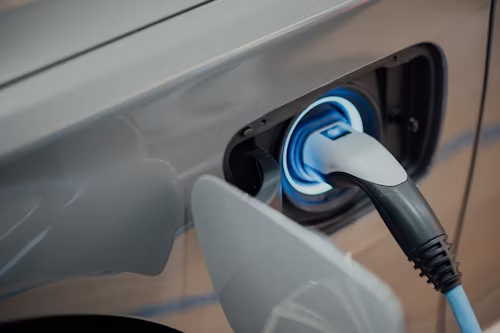
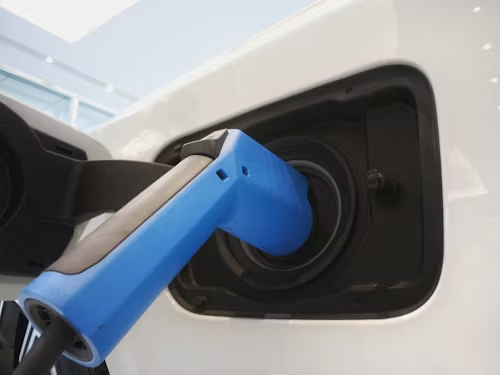
Electric mobility solutions are critical in the push towards environmental sustainability. These solutions, which include electric vehicles (EVs), electric scooters, and e-bikes, are powered by electricity, significantly reducing the reliance on fossil fuels and, as a result, lowering greenhouse gas emissions.
- Zero Emissions: Electric vehicles produce no direct emissions, which greatly reduces their environmental footprint compared to internal combustion engine vehicles.
- Renewable Energy Integration: EVs can be charged using renewable energy sources, further decreasing the environmental impact of their use.
- Government Incentives: Many governments worldwide are offering incentives to encourage the adoption of electric vehicles, making them more accessible to the public.
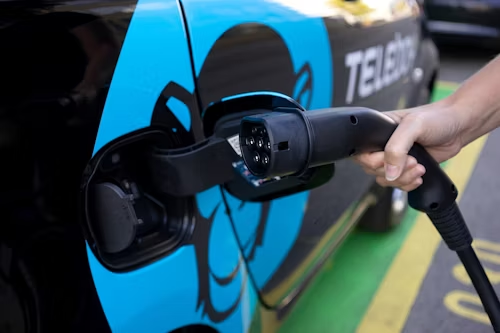
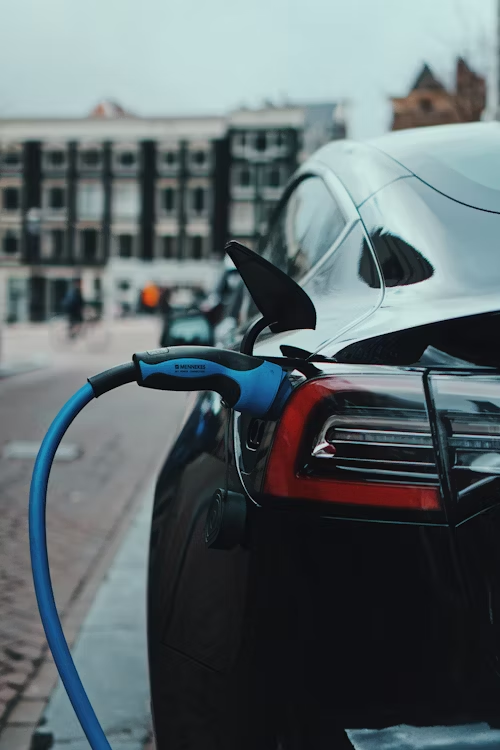
With advancements in battery technology and the expanding infrastructure for EV charging stations, electric mobility solutions are becoming increasingly practical and popular.
Smart Vehicle Technology and Advanced Mobility Solutions: A Synergistic Relationship
The convergence of smart vehicle technology with advanced and electric mobility solutions presents a synergistic relationship that enhances the capabilities of each domain. For instance, the data collected by smart vehicles can be utilized to improve the management and efficiency of electric charging stations. Similarly, the widespread adoption of EVs encourages the development of smarter, more energy-efficient roads and cities.
- Data-Driven Optimization: Smart vehicles provide large volumes of data that can be analyzed to further optimize traffic systems and energy consumption in electric mobility systems.
- Enhanced User Experience: The integration of these technologies leads to more personalized and user-friendly transportation experiences, increasing user satisfaction and adoption rates.
- Sustainability Gains: This synergy significantly contributes to sustainability, as smarter, data-driven systems can lead to more substantial energy savings and lower emissions.
As these technologies continue to develop and intersect, they create a dynamic framework for the future of transportation that is smarter, cleaner, and more interconnected.
Looking Toward the Future: Challenges and Opportunities
While the future of transportation looks promising with smart vehicle technology and advanced mobility solutions, several challenges need addressing to fully capitalize on these innovations. Issues such as cybersecurity risks, data privacy concerns, and the need for extensive infrastructure overhaul are critical hurdles. Nevertheless, the opportunities for improving global mobility, enhancing safety, and reducing environmental impact make overcoming these challenges worthwhile.
- Infrastructure Development: Building the necessary charging stations and smart road systems to support these technologies is essential.
- Cybersecurity Measures: As vehicles and systems become more connected, protecting against potential cyber threats is critical.
- Regulatory Frameworks: Developing comprehensive laws and regulations that facilitate innovation while protecting users and the environment is necessary.
In conclusion, smart vehicle technology and advanced mobility solutions are set to redefine the landscape of transportation. By embracing these changes, industries and governments can lead the charge towards a more sustainable, efficient, and safe future for all. As we continue to innovate and improve, the roads of tomorrow look increasingly promising, shaped by the technology of today.