Practical Guide to Upgrading Your Car with Electric and Smart Enhancements
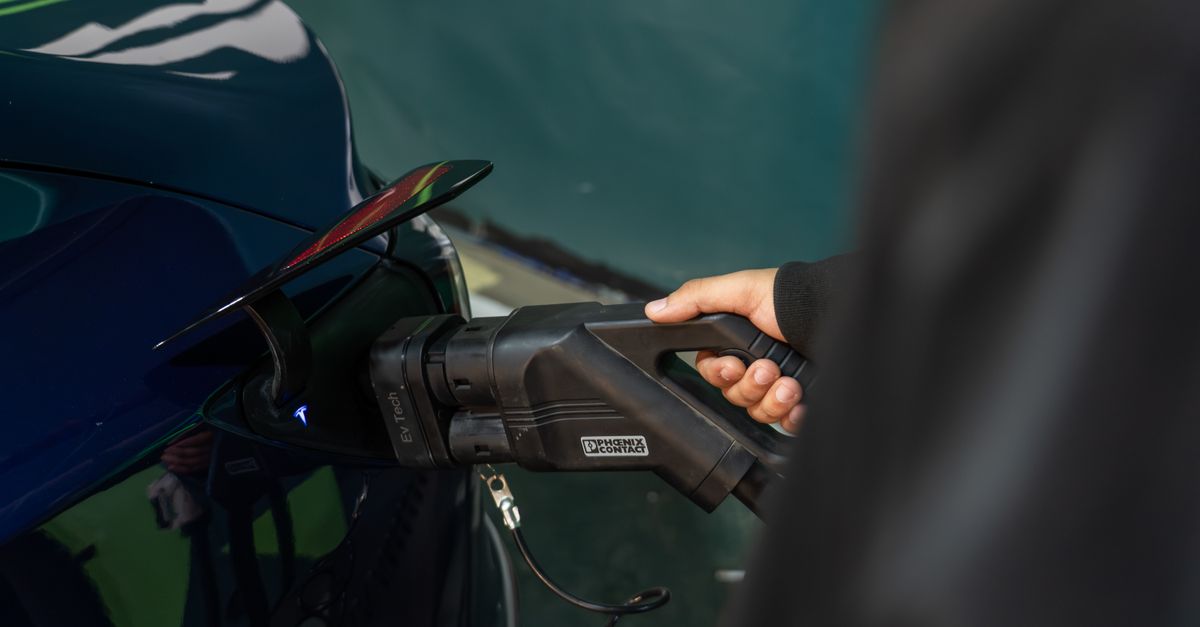
More commuters are looking for ways to lower emissions without buying a new EV. Battery kits that transform gasoline sedans into electric vehicles (EVs) and smart modules that boost fuel economy offer a cost‑effective path. This guide explains the most common upgrades, how they affect performance and cost, and what to consider when choosing an installer.
Why Eco‑Friendly Enhancements Matter
By 2026 climate targets are tightening; many cities plan bans on internal combustion engines (ICE) in the 2040s. For owners who rely on their cars for daily commutes, retrofitting provides a practical solution. A well‑executed conversion can cut fuel use by 40–60%, reduce maintenance of spark plugs and oil changes, and raise resale value as eco‑credentials gain market importance.
Beyond personal savings, a converted vehicle contributes to community air quality improvements. In urban corridors where thousands of commuters drive daily, even modest reductions in tailpipe emissions can lower ozone levels, making neighborhoods healthier for vulnerable populations such as children and the elderly.
Owners who retrofit their cars often find that local municipalities offer additional perks. Some cities provide priority parking or access to high‑occupancy lanes, recognizing the reduced environmental footprint of a converted vehicle.
Smart Vehicle Conversion Basics
A typical conversion includes an electric drive unit (motor + controller), a battery pack, and a power management interface that ties into the existing vehicle. Kits fall into two categories:
- Plug‑and‑Play: Replace the entire drivetrain.
- Hybrid Add‑Ons: Provide electric assist while retaining the ICE.
Check the manufacturer’s compatibility guide for your model year and trim; mismatches can lead to costly rework or sub‑optimal performance.
Because electric conversions alter key safety systems—such as airbag deployment logic and brake‑force distribution—installers must re‑program or replace sensors to maintain crash‑worthiness. A certified shop will run diagnostic scans on the vehicle’s CAN bus before, during, and after installation.
Legal compliance is a common oversight; many states require a formal inspection or registration amendment when an ICE vehicle becomes electric. Failing to file can result in penalties or forced removal of the conversion.
Types of Electric Upgrades
The main upgrade categories in 2026 are:
- Full Electric Kits: Convert the ICE to a pure EV.
- Hybrid Boosters: Add electric assist for better acceleration and fuel economy.
- Battery Swap Systems: Install removable packs that can be swapped at stations or home.
- Smart Power Management: Use telematics and AI to optimize charging and regenerative braking.
- Plug‑in Charging Modules: Enable fast DC charging on vehicles originally limited to Level 2 AC.
Full kits offer the greatest emissions reduction but require more extensive work; hybrid boosters are less invasive and can be installed in a single visit.
When selecting a kit, it’s useful to map out where each component will physically reside. Battery modules often occupy trunk space, while motor mounts may need reinforcement of the existing chassis. Some kits provide modular adapters that preserve original engine bay dimensions.
Performance Gains and Trade‑offs
Electric conversions improve torque delivery and eliminate idle noise. For example, installing a 200 kW motor on a 2010 Corolla increased acceleration to 60 mph by about 30%. However, batteries add 150–200 kg of weight, which can affect handling and braking. Daily range typically falls between 120–180 miles, so planning for charging is essential. Heat management and potential warranty voiding are also important considerations.
The instant torque of an electric motor also means that regenerative braking can reclaim a larger portion of kinetic energy, especially during frequent stop‑and‑go city driving. However, the added mass may require recalibration of traction control to avoid wheel spin.
Cost Breakdown and ROI
A full conversion for a mid‑size sedan costs roughly $12,000–$18,000; hybrid boosters range from $4,500 to $7,500. Return on investment depends on:
- Fuel Savings: Eliminating gasoline reduces running costs.
- Maintenance Reduction: Electric motors cut annual maintenance by ~70%.
- Incentives: Many regions offer rebates up to $7,500 for conversions.
- Resale Value: Certified electric conversions can add 10–15% in high‑demand markets.
A hybrid booster on an older SUV yielded a payback of about 3.5 years when accounting for fuel savings, maintenance cuts, and a local tax credit.
In addition to fuel savings, many insurers now offer reduced premiums for certified electric conversions, recognizing the lower risk profile of battery‑powered vehicles. While the upfront cost is higher, the cumulative effect over a vehicle’s lifetime can be substantial.
Selecting a Specialist Provider
Choose installers with:
- Relevant Certifications: ASE or ISO 9001 shops are preferable.
- Warranty on Work: At least two years on labor and components shows confidence.
- Detailed Documentation: Manuals and maintenance schedules help post‑conversion care.
- Positive Reviews: Verify feedback in forums, social media, or industry publications.
- Remote Diagnostics Support: Cloud‑based monitoring is common for modern conversions.
My experience with a shop offering a 30‑day kit warranty allowed me to test the system risk‑free; their rapid response team resolved early charging issues within hours.
A transparent project timeline helps owners anticipate downtime and schedule alternate transportation if needed. Reputable installers typically provide a written estimate that lists each task, expected duration, and any potential cost overruns.
Installation Steps & Best Practices
The typical workflow is:
- Assessment: Verify compatibility and map wiring.
- Drivetrain Removal: Remove ICE or add motor mounts.
- Battery Installation: Secure the pack in a pre‑designed location to maintain weight distribution.
- Electrical Integration: Connect controller, regenerative braking modules, and charging ports to the CAN bus.
- Software Calibration: Adjust throttle response, traction control, and battery management.
- Testing & Tuning: Conduct on‑road tests for acceleration, range, and thermal performance.
Best practices include using DOT‑approved battery enclosures, installing redundant fuses, preserving original safety systems, and professionally testing regenerative braking to avoid excessive brake wear. After installation I run a 10‑mile drive at varied speeds to confirm controller response and safe battery temperatures.
Before removing the drivetrain, it’s essential to disconnect all high‑voltage components and isolate the battery bus with a dedicated safety switch. This prevents accidental arcing during the disassembly process.
Common Mistakes to Avoid
Installers often overlook:
- Weight Distribution: Misplaced batteries shift handling dynamics.
- Cooling Needs: High‑power motors require active cooling; neglecting this shortens battery life.
- Legal Compliance: Some states mandate vehicle registration and specific emission testing for conversions.
- BMS Integration: Without a robust BMS, you risk overcharging or deep discharging.
Software calibration errors can manifest as sluggish throttle response or abrupt power cuts when the battery reaches a low state of charge. A skilled technician will perform multiple test drives and fine‑tune parameters to ensure smooth operation.
Maintenance & Longevity
Electric conversions need less routine care but still require attention:
- Battery Health Checks: Quarterly voltage and temperature diagnostics detect degradation.
- Software Updates: Keep firmware current to improve efficiency or fix bugs.
- Brake Monitoring: Regenerative braking reduces wear, yet pads should be inspected after heavy use.
- Insulation & Sealing: Protect the pack from moisture and extreme temperatures.
A yearly BMS inspection coupled with an OTA update prevented a potential battery failure during a long road trip last summer.
Routine checks on the battery enclosure’s seal integrity help mitigate moisture ingress, which can accelerate cell degradation. A simple visual inspection every six months is often sufficient if no external damage has occurred.
Future Outlook and Emerging Tech
The next wave of conversions will focus on solid‑state batteries, offering higher energy density and faster charging. AI‑driven power management systems that predict driving patterns are also emerging, adjusting motor output for optimal efficiency. Staying informed about these technologies is key if you plan another upgrade or resale in the coming years; early adopters may benefit from significant resale premiums as the market matures.
Key takeaway: A well‑planned electric conversion can cut emissions by up to 60%, slash maintenance costs, and provide a viable path for owners who want to keep their familiar vehicles while meeting future regulatory trends. What specific performance or cost metrics are most important to you when considering an automotive upgrade?