How Do Smart Car Eco‑Modifications Improve Fuel Efficiency in 2026?
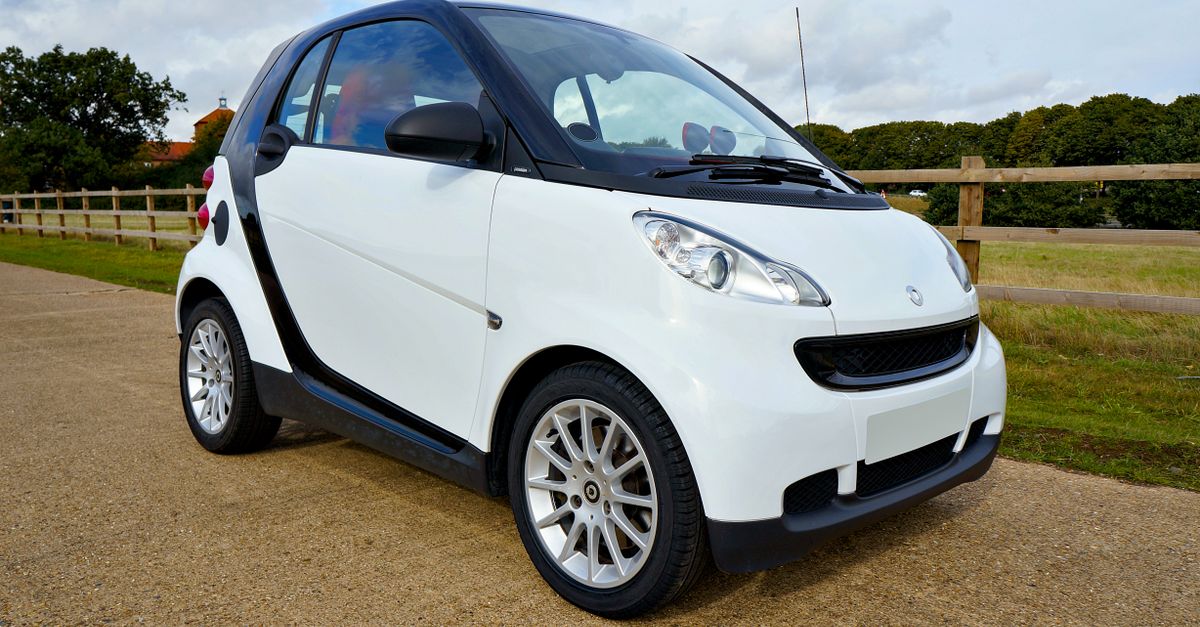
When I first drove a 2015 sedan that had never been modified, the miles per gallon slipped faster than my heart rate after a workout. The question then was simple: how can a gasoline car stay competitive with hybrids and electric models? This article offers practical steps for retrofitting existing ICE vehicles to boost efficiency, cut emissions, and deliver a tangible return on investment.
Why Smart Car Eco‑Modifications Matter in 2026
By 2026 the average fuel economy of new internal combustion engines (ICE) has plateaued around 35 mpg for midsize cars. Yet many drivers still buy older models ranging from 20 to 25 mpg, often because they are cheaper or better suited for certain conditions. A targeted set of upgrades—high‑efficiency batteries, lightweight panels, regenerative braking adapters, and smart HVAC controls—can bridge this gap, creating an energy‑efficient car comparable to some hybrids without a full electric conversion.
Eco‑mods also extend vehicle life by reducing engine wear and improving thermal balance. They offer a low‑cost entry point for owners who want to lower their carbon footprint while keeping the familiarity of a gasoline vehicle. In 2026’s evolving regulatory landscape, where stricter emissions standards are being enforced in many regions, these upgrades help drivers stay compliant without buying brand new cars.
Core Modification Categories
The most impactful changes fall into five groups: powertrain, thermal management, electrical architecture, lighting, and aerodynamics. Below each category lists key improvements and practical examples.
1. Powertrain Enhancements
- High‑efficiency alternator: reduces parasitic loss by up to 8 %, freeing engine power for propulsion.
- Variable displacement cylinder heads: cut fuel consumption by up to 5 % during low‑load cruising.
- Engine management reflash: optimizes ignition timing, shifting peak power to a lower RPM range and reducing city fuel use.
2. Thermal Management Improvements
- Smart HVAC controls using solar or battery power at idle: shift climate load away from the engine, cutting idle fuel burn by 3–5 %.
- Insulated engine bay: keeps combustion chamber cooler, allowing higher compression ratios and better efficiency.
- Heat‑exchanger radiator cooling: lowers engine temperature by 3–5 °C, reducing pumping losses.
3. Electrical Architecture Upgrades
- 48‑V battery pack for start‑stop and regenerative braking: enables smoother restarts and recaptures kinetic energy.
- LED lighting (~70 % power savings): reduces overall electrical load on the alternator.
- Low‑loss wiring harnesses: cut resistive heating, saving a few percent of electrical energy each mile.
4. Lighting Modifications
- Full LED or OLED headlamps: cut 30–40 W of power usage and provide instant illumination.
- Adaptive headlights: adjust beam angle based on steering, reducing glare and high‑beam use.
- LED fog lamps & daytime running lights: add safety with minimal power draw.
5. Aerodynamics & Weight Reduction
- Lighter alloy wheels: shave off 10 kg, improving acceleration fuel economy.
- Streamlined body kit: reduces drag coefficient by 0.02–0.04 at highway speeds.
- Carbon‑fiber roof panel: cuts weight and improves thermal insulation.
Electric Vehicle Upgrades vs. Smart Car Eco‑Modifications
Here’s a quick comparison of the two approaches:
- Initial cost: EV conversions average $15,000–$20,000; smart eco‑mods range from $2,000 to $8,000.
- Fuel savings: EVs offer near-zero fuel costs; smart mods can save 5–10 % on gas.
- Infrastructure: EV charging stations are growing but remain limited in rural areas; modified ICE cars work with any station.
- Environmental impact: EVs have a lower lifecycle CO₂ footprint, but smart mods reduce tailpipe emissions by ~30 % compared to stock.
- Resale value: Vehicles with proven eco‑mods retain higher value among buyers seeking greener options without full electric conversion.
Choosing the Right Car Conversion Service
A reputable car conversion service should offer both hardware and software integration. Evaluate potential providers on:
- Certifications: Look for ISO 9001 or equivalent quality management.
- Experience: Minimum five years of retrofitting similar vehicle classes.
- Warranty: At least 12 months on parts, two‑year labor guarantee; some offer extended battery warranties up to three years.
- After‑sales support: Remote diagnostics and firmware updates keep the system running smoothly.
- Documentation: Detailed installation manuals help future owners verify authenticity.
Identifying Smart Car Specialists in Your Area
Search for keywords like “smart car specialist,” “vehicle electrification services,” or “energy‑efficient car retrofit” on local business directories. Ask for case studies and client testimonials before signing. When evaluating quotes, look for transparency: each component should list manufacturer name, part number, and expected performance improvement. A reputable shop will also provide a projected fuel savings estimate based on your typical mileage profile.
Cost Breakdown: What to Expect
The total expense depends on the vehicle’s base model, desired efficiency target, and geographic location. A typical breakdown might look like this:
- Powertrain kit: $3,000–$5,500.
- Thermal management package: $1,200–$2,800.
- Electrical architecture (48‑V battery + supercharger): $4,000–$6,500.
- Aerodynamic kit: $800–$1,600.
- Labor (installation & calibration): 8–12 hours at $80/hr = $640–$960.
- Additional accessories (LED headlamps, adaptive lighting): $500–$1,200.
- Software reflash and diagnostics: $300–$600.
Total ranges from $9,640 to $17,460. Most owners see a payback period of 2–4 years based on fuel savings and reduced maintenance costs. In high‑fuel‑price regions, the return can be even quicker.
Return on Investment: Fuel Savings and Maintenance
A 10 % reduction in fuel consumption saves roughly $300–$400 annually for a vehicle averaging 15,000 miles per year. Lower engine wear from improved thermal management adds another $200–$300 in maintenance savings over five years.
Because many eco‑mod components are drop‑in replacements, they avoid the pitfalls of aftermarket parts that can cause premature bearing failure or exhaust leaks. The result is smoother operation and fewer visits to the shop for routine checks.
Common Mistakes When Retro‑Fitting
DIY upgrades without professional guidance can lead to mismatched specifications, improper engine calibration, electrical overload if the 48‑V pack isn’t integrated correctly, or voiding of original warranties. Always work with a certified specialist and keep detailed records for future resale value.
Step‑by‑Step Guide to Start Your Eco‑Modification Journey
- Assess your vehicle: Review the service manual for existing electrical architecture, direct injection status, alternator type, and start‑stop system presence.
- Set a budget and efficiency goal: Decide whether you aim for 5 % fuel savings or hybrid‑level performance; this will guide component priorities.
- Consult with a specialist: Bring vehicle data to a reputable conversion service for an estimate, asking about part origins, lifespan, and warranty impact.
- Select components: Prioritize high‑efficiency alternators, LED lighting, lightweight panels first; then add thermal management before electrical upgrades.
- Schedule installation: Allow 2–3 days for parts integration and software reflash; confirm a full diagnostic post‑install.
- Test drive & calibrate: Verify engine performance, temperature readings, and battery health across city stops, highway cruising, and high‑load acceleration.
- Track results: Log fuel consumption before and after; use an app or spreadsheet to record mileage, gallons used, and cost per mile over several weeks.
- Maintain documentation: Keep receipts, service reports, and firmware updates in a folder for resale or future upgrades.