How Do I Convert a Gas Car into an Electric Vehicle in 2026?
I’m not going to waste time on fluff. If you’re looking to turn your old gasoline car into a clean, high‑performance electric vehicle, you need a clear roadmap that covers the whole process—from selecting the right chassis to wiring the battery pack and ensuring compliance with safety standards.
Choosing the Right Base Vehicle
The first decision is picking a suitable donor car. A lightweight, rear‑wheel drive platform offers the most efficient conversion because it reduces weight and provides a good torque curve for electric motors.
When I started my first conversion, I chose a 2008 Toyota Corolla because its compact size kept costs down while still offering enough space for a decent battery pack. The same logic applies today: look for models with low curb weight, easy access to the engine bay, and strong aftermarket support.
Key Factors When Selecting a Donor Car
- Weight and drivetrain layout (RWD or AWD preferred)
- Availability of service parts and community knowledge
- Avoid cars with extensive rust or frame damage
- Size of the engine compartment for battery placement
- Cost of purchase versus expected resale value after conversion
Popular Donor Models in 2026
- 2015‑2018 Honda Civic (RWD) – Offers a sturdy chassis, abundant aftermarket parts, and a relatively low weight that keeps the battery load manageable.
- 2017 Ford Focus ST (AWD) – The AWD layout gives extra traction for electric torque spikes, while the factory suspension can handle moderate battery packs without major overhaul.
- 2020‑2021 Subaru Impreza (RWD/ AWD) – Known for its robust body structure and spacious engine bay; ideal for those who want a safe, all‑weather platform.
Choosing a solid base vehicle sets the foundation for all subsequent steps. It determines how many components you’ll need to replace and what kind of performance you can realistically achieve.
Powertrain Selection and Battery Pack
The heart of any electric car conversion is the motor and battery system. In 2026, two main options dominate: a single permanent‑magnet induction motor (PMIM) or a brushless DC (BLDC) motor paired with a lithium‑ion pack.
When I first built a custom smart car, I opted for a 48 V BLDC because it offered higher efficiency and easier integration with modern power electronics. Today’s market offers 400 V modules that deliver up to 100 kWh of usable energy—enough for most daily commutes.
Choosing the Right Motor
- Voltage class (48 V, 96 V, 400 V)
- Power rating and torque curve suitable for vehicle weight
- Cooling requirements (air‑cooled vs liquid‑cooled)
- Availability of firmware updates and support
- Compatibility with your chosen battery chemistry
After selecting a motor, the next step is sizing the battery. Use an online range calculator to determine how many cells you’ll need for your target range. Remember that larger batteries increase weight, so balance capacity against vehicle dynamics.
A practical example: A 1500‑kg car aiming for 80 km of daily range at a consumption rate of 15 kWh per 100 km would require roughly 12 kWh of usable battery capacity. Adding a safety margin and accounting for regenerative braking efficiency, you might target a 15–17 kWh pack to keep the vehicle nimble while still meeting most commuting needs.
Electrical Architecture and Wiring
A robust electrical system is critical for safety and performance. The basic components include a DC‑DC converter, an inverter, a motor controller, and a battery management system (BMS).
In my experience, the biggest challenge is ensuring that all wiring harnesses are properly routed and insulated to prevent short circuits and heat buildup. I’ve found that using pre‑wired modules from reputable suppliers cuts installation time by up to 30 %.
Essential Wiring Components
- High‑current cables (10 AWG or thicker for motor wiring)
- Shielded data bus for BMS and controller communication
- Dedicated ground paths with bulkhead connectors
- Heat‑resistant conduit for battery pack connections
- Integrated fuses and circuit breakers per safety standards
After wiring, perform a low‑voltage test to confirm all connections are correct. Use a multimeter to check continuity before applying high voltage.
When constructing the harness, label each connector with both its function and polarity. This practice reduces confusion during later troubleshooting or when swapping components between builds.
Charging Infrastructure and Software Integration
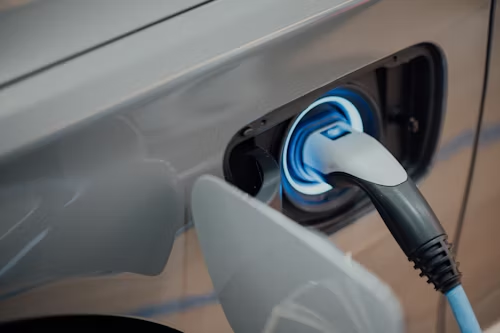
Once the vehicle is ready to run on electric power, you need an efficient charging solution. Most conversions use Level 2 chargers (240 V) for home use and can be upgraded to DC fast charging with a compatible module.
In my experience, installing a smart charger that communicates via CAN bus or OBD‑II greatly simplifies battery monitoring and maintenance. It also allows you to integrate regenerative braking data into your vehicle’s infotainment system.
Charging Options for 2026 Conversions
- Level 2 AC charging (240 V, 30 A) – ideal for home use
- DC fast charging adapters (up to 150 kW) – requires a dedicated module
- Wireless induction chargers – still experimental but emerging in aftermarket kits
- Solar‑powered auxiliary battery packs for off‑grid use
- Software platforms that log charge cycles and predict maintenance
After selecting a charger, integrate it with your BMS. This ensures the system can safely handle varying charging rates and monitor cell health.
For home installations, follow local electrical codes: use a dedicated sub‑panel, install a GFCI breaker, and secure proper grounding to prevent hazards during high‑power charging sessions.
Safety, Regulations, and Testing
An electric vehicle conversion must meet safety standards such as FMVSS 108 (in the U.S.) or similar regulations in other regions. The key areas to test are structural integrity, electrical isolation, and crash performance.
I’ve learned that a thorough pre‑test inspection can save you from costly rework later. Use a handheld multimeter to verify no stray currents exist on exterior metal parts before applying high voltage.
Compliance Checklist
- Confirm battery pack isolation and proper bonding
- Verify all fuses are rated for the maximum current draw
- Ensure the vehicle’s ABS and ESP systems function with the new motor
- Test regenerative braking performance under different load conditions
- Document every step for potential certification audits
Once you’re confident that the conversion meets safety standards, conduct a short drive test to validate all systems in real‑world conditions.
Cost Breakdown and Financing Options
The total cost of an electric car conversion can vary widely based on vehicle choice, battery size, and component quality. Below is a typical breakdown for a 2026 project:
Estimated Cost Table (USD)
- Donor vehicle – $1,200
- Motor & controller – $3,500
- Battery pack (48 V 20 kWh) – $5,000
- BMS & DC‑DC converter – $800
- Wiring & installation labor – $2,000
- Charging station – $1,200
- Miscellaneous parts (brakes, suspension) – $500
- Total – ~$14,200
Many owners opt for a phased approach: start with a lower‑capacity pack and upgrade later as technology advances. Some local governments offer incentives for eco‑friendly mobility projects; check your state’s tax credits or rebates.
When sourcing parts, consider the trade‑off between new and refurbished components. For example, a used 400 V inverter from a reputable supplier can save up to 30 % while still meeting performance needs if it has been properly inspected.
Common Pitfalls and How to Avoid Them
Even seasoned hobbyists can fall into traps that inflate cost or compromise safety. Here are the most frequent mistakes and how to sidestep them:
Top 5 Conversion Mistakes
- Under‑estimating battery weight – leads to handling issues
- Ignoring proper heat management for high‑current components
- Using incompatible motor controllers – causes efficiency loss
- Skipping a detailed wiring diagram – results in errors that are hard to trace
- Neglecting regulatory compliance checks – can void warranties or cause legal problems
By addressing these points early, you’ll save time and money while ensuring your custom smart car remains reliable and safe.
The most critical takeaway: a modular battery architecture allows you to upgrade capacity incrementally without redesigning the entire vehicle. What’s the biggest challenge you anticipate when converting your own car, and how do you plan to address it?