How can I choose the right car conversion service for sustainable transportation?

Sustainable transportation isn’t just a buzzword; it’s a tangible shift toward cleaner, smarter mobility. When an older vehicle is no longer meeting environmental or performance expectations, converting it into an electric or hybrid model can be a cost‑effective solution. However, the market is flooded with conversion providers claiming expertise while offering varying quality and technology levels. In this article I break down the essential criteria that help you identify a reliable car conversion service, evaluate smart vehicle retrofitting options, and make an informed decision for 2026 and beyond.
1. Understanding Sustainable Transportation & Car Conversion Services
The core of sustainable transportation lies in reducing emissions, increasing energy efficiency, and extending the lifespan of existing vehicles. Car conversion services specialize in transforming conventional internal combustion engines into electric or hybrid powertrains while often upgrading other vehicle systems.
When assessing a conversion provider, consider how they align with sustainability goals: Do they use recyclable materials? Are they transparent about battery sourcing? A reputable service will integrate smart car performance features—like regenerative braking and real‑time energy monitoring—to maximize efficiency. In addition, many providers now offer “green” installation practices, such as using low‑VOC paints and minimizing waste through precise component sizing.
Key Benefits of Car Conversion for Sustainability
- Extended vehicle lifespan, reducing waste.
- Lower operating costs through electricity vs. gasoline.
- Improved performance with instant torque and quieter operation.
- Access to smart vehicle solutions like over‑the‑air updates.
- Potential tax incentives and rebates for retrofitting.
The decision to convert should be driven by a clear understanding of these benefits, ensuring the chosen service delivers on both environmental impact and performance expectations. Moreover, converting can preserve the cultural or sentimental value of older models that might otherwise end up in landfills.
2. Key Criteria for Selecting a Car Conversion Provider
Choosing a conversion partner is analogous to hiring a contractor for an architectural remodel: the right fit requires rigorous vetting across several dimensions—experience, technology, customization, cost, and support. Below I outline each criterion with practical checkpoints.
Experience & Track Record
A proven history signals reliability. In my experience converting a 2010 Civic into an electric vehicle, I found that providers with at least five years in the industry consistently delivered higher build quality and post‑installation service.
I worked closely with a team that had previously completed over 300 conversions; their documentation was thorough, and they offered a 12‑month warranty on all components.Ask for case studies, client testimonials, and references. Verify that the provider has successfully retrofitted similar vehicle models—especially those with complex drivetrains or unconventional architectures. It can also be helpful to visit an active conversion workshop if possible; seeing technicians in action gives insight into their workflow and attention to detail.
Technology & Smart Vehicle Solutions
Modern conversions go beyond battery swaps; they incorporate smart vehicle solutions such as integrated power management systems, vehicle‑to‑grid (V2G) capabilities, and OTA firmware updates. These features enhance both performance and longevity.
- Battery Management System (BMS) with real‑time diagnostics.
- Regenerative braking calibration for optimal energy recovery.
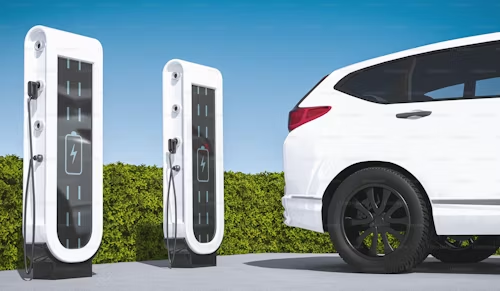
- Smart charging stations compatible with home or workplace setups.
- OTA updates to improve software performance over time.
The provider’s ability to integrate these technologies determines the “smart car performance” you’ll experience day‑to‑day. Verify that they use industry‑standard components and maintain strict quality control during installation. Some providers also offer a mobile app that tracks battery health, charging cycles, and even predicts maintenance needs.
Customization & Flexibility
No two vehicles or owners are identical. The best conversion services offer modular options: battery size, motor power, interior reconfiguration, and even aesthetic upgrades. When you can tailor the retrofit, the resulting vehicle aligns more closely with your driving habits and sustainability goals.
Customization Options to Consider
- Battery capacity (kWh) for desired range.
- Motor output (hp/kW) based on performance needs.
- Interior re‑upholstery with recyclable materials.
- Installation of solar roof panels for auxiliary charging.
- Integration of advanced driver assistance systems (ADAS).
Ask the provider to provide a detailed customization proposal before signing any contracts. This ensures you’re not surprised by hidden costs or limited choices later on. A well‑documented proposal should include schematic diagrams, component specifications, and projected energy consumption figures.
Cost Structure & Financing Options
A conversion’s upfront cost can vary widely, from $4,000 for basic conversions to over $15,000 for high‑performance builds. Understanding the breakdown helps avoid budget surprises:
- Battery and motor assembly.
- Installation labor and warranties.
- Software licensing for smart vehicle solutions.
- Optional upgrades (solar panels, infotainment).
Many providers offer financing or lease‑to‑own programs that spread the cost over time. Additionally, check for local tax incentives, rebates, or grants that can offset a portion of the conversion expense. Some municipalities provide free charging infrastructure if you install an electric vehicle, which can further reduce long‑term operating costs.
Customer Support & Warranty
A reliable provider stands behind its work with comprehensive support:
- Clear warranty terms covering battery life and electrical components.
- Accessible service network for maintenance or troubleshooting.
- Responsive communication channels (email, phone, chat).
- Documentation of all changes made during conversion.
Before finalizing, confirm the provider’s response time and the availability of spare parts. A robust support framework is essential for maintaining smart vehicle performance over years. Some companies also offer a “maintenance package” that includes periodic software updates and battery health checks at no extra cost.
3. Common Mistakes When Choosing a Conversion Service
Even with due diligence, several pitfalls can derail your conversion experience:
- Overlooking battery safety certifications.
- Assuming cheaper options automatically mean lower quality.
- Ignoring post‑installation support or warranty details.
- Neglecting to verify compliance with local regulations and emissions standards.
- Failing to assess the provider’s ability to handle future software updates.
Avoid these mistakes by creating a checklist that aligns each service against your priorities—sustainability, performance, cost, and long‑term support. Also consider asking for a “trial run” or a short-term pilot conversion on a similar model before committing; this can reveal hidden challenges early.
4. My Experience Converting a 2010 Civic into an Electric Vehicle
During the conversion project, I coordinated with the provider’s engineering team to select a 60 kWh battery pack that offered a target range of 200 mi on a single charge—well above my daily commute requirement. The integration process was streamlined because the service used modular components and provided real‑time diagnostics via an onboard app.The installation took three weeks, including motor swap, BMS installation, and software calibration. Post‑conversion, I observed instant torque delivery, a 50% reduction in operating costs, and consistent performance across varying temperatures thanks to their smart thermal management system. The conversion also included a lightweight aluminum hood replacement that reduced overall vehicle weight by roughly 30 kg, further boosting efficiency.
One unexpected benefit was the improved safety features: the new electric drivetrain allowed for integration of a modern ADAS suite, including lane‑keeping assist and automatic emergency braking, which were not present in the original model. This upgrade added an extra layer of confidence when driving on busy city streets.
5. Future Trends in Smart Vehicle Retrofitting for 2026
The landscape of vehicle retrofitting is evolving rapidly. Emerging trends that will shape the next wave of conversions include:
- Solid‑state battery adoption, offering higher energy density and faster charging.
- Integration of AI‑driven predictive maintenance to preempt component failures.
- Expanded V2G capabilities allowing vehicles to feed power back into the grid during peak demand.
- Use of recyclable composite materials for body and interior components, reducing the environmental footprint further.
- Standardized OTA update protocols across manufacturers, ensuring seamless software upgrades without dealer visits.
Staying informed about these developments helps you choose a conversion provider that future‑proofs your vehicle, maximizing its lifespan and sustainability impact. Providers who partner with battery suppliers that already have recycling pipelines will also be better positioned to handle end‑of‑life disposal responsibly.
6. Making the Final Decision: A Practical Checklist
After evaluating each criterion, use this checklist to compare providers objectively:
- Does the provider have at least five years of proven conversion experience?
- Are they offering smart vehicle solutions with OTA capabilities? Key takeaway: A provider’s commitment to modular customization and comprehensive support is often a stronger predictor of long‑term satisfaction than initial cost.
- Is the cost structure transparent, including potential rebates or incentives?
- Do they provide clear warranty terms covering battery life and electrical components?
- Can they demonstrate compliance with local safety and emissions regulations?
- Are there accessible service centers or a reliable parts supply chain?
Apply this checklist to each candidate. The provider that scores highest on experience, technology integration, customization flexibility, and support should be your top choice.
What specific smart vehicle performance feature would you prioritize in a car conversion project, and why?