The Future of Driving: Innovations in Smart Vehicle Conversions and Electric Vehicle Upgrades
The evolution of the automotive industry has recently accelerated thanks to advances in technology, particularly through the integration of smart technology and electric powertrains. Car owners around the world are increasingly looking towards electric vehicle upgrades and smart car enhancements as viable ways to not only boost the performance and efficiency of their vehicles but also to enhance their overall driving experience. This blog post delves deep into the realm of smart car upgrades, enhanced mobility systems, and smart vehicle conversions, outlining the benefits, possibilities, and considerations involved in these cutting-edge automotive transformations.
Understanding Electric Vehicle Upgrades
Electric vehicle (EV) upgrades refer to modifications made to electric cars aimed at improving their performance, range, and usability. As EV technology progresses, more vehicle owners consider these upgrades to extend their car’s life, enhance its value, or even just to reduce carbon footprints. Here are some popular types of electric vehicle upgrades:
- Battery Upgrades: Replacing or augmenting the existing battery pack to increase range and efficiency.
- Software Updates: Enhancing the vehicle’s software for improved battery management, increased range, and better user interface.
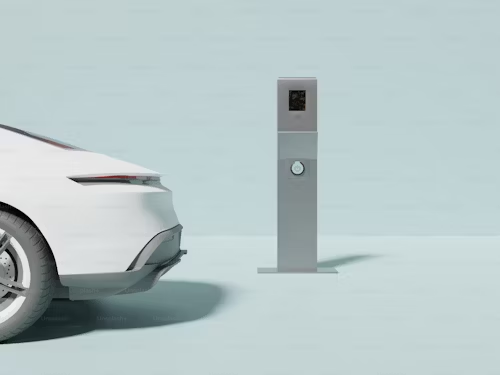
- Charging Solutions: Installing faster and more efficient home charging systems.
- Regenerative Braking Enhancements: Optimizing or upgrading the system to maximize energy recovery.
Exploring Smart Car Upgrades
Smart car upgrades typically involve incorporating advanced technology to improve safety, convenience, and connectivity. These modifications can transform a traditional vehicle into a more responsive and intuitive machine, bringing a new level of interaction between the car and its environment. Here are a few examples of smart car upgrades:
- Advanced Driver-Assistance Systems (ADAS): Including features like adaptive cruise control, lane-keeping assist, and automatic emergency braking.
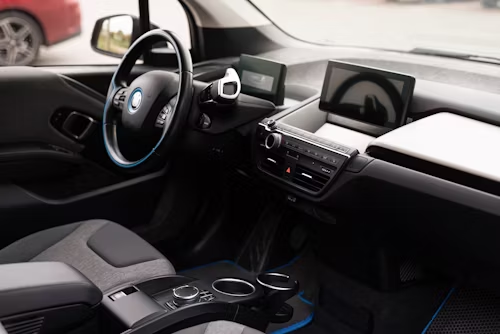
- Infotainment System Enhancements: Upgrading the central display unit, improving user interface and connectivity with smartphones and other devices.
- Vehicle-to-Everything (V2X) Communication: Enabling the car to communicate with other cars, traffic lights, and road sensors to improve traffic management and reduce accidents.
The Rise of Enhanced Mobility Systems
Enhanced mobility systems are at the forefront of reshaping transportation in urban environments. These systems leverage technology to provide seamless, efficient, and accessible travel options for everyone, particularly benefiting those with mobility challenges. Key components of enhanced mobility systems include:
- Autonomous Vehicle Technology: Self-driving cars that can navigate without human input, enhancing mobility for the elderly and disabled.
- Integrated Transport Solutions: Systems that combine various forms of public and private transport options to optimize travel efficiency.
- Smart Accessibility Features: Technologies that assist drivers and passengers with disabilities, such as automated ramps, adaptive controls, and voice-activated systems.
Smart Car Enhancement Techniques
Smart car enhancement involves integrating digital technology into the vehicle to make it more efficient, safe, and user-friendly. This could range from simple software upgrades to complete system overhauls. Below are some effective techniques for enhancing your vehicle’s smart capabilities:
- Integration of IoT Devices: Incorporate Internet of Things (IoT) devices to monitor vehicle performance and maintenance needs in real-time.
- Energy Management Systems: Employ smart systems that optimize energy use, particularly in hybrid and electric vehicles, to extend battery life and reduce energy wastage.
- Customizable User Settings: Allow drivers to customize vehicle settings via a smartphone app, tailoring the driving experience to individual preferences.
The Process of Smart Vehicle Conversions
Converting a traditional vehicle into a smart vehicle involves several steps that require careful consideration and expert execution. This process can be complex, involving both hardware modifications and software installations. Here's a general outline of the process:
- Assessment: Evaluate the vehicle’s existing systems and determine what upgrades are feasible.
- Planning: Develop a detailed plan outlining the specific technologies to be integrated, necessary hardware installations, and any potential challenges.
- Installation: Install the necessary hardware and software systems, ensuring they are seamlessly integrated with the vehicle’s existing systems.
- Testing and Calibration: Thoroughly test the new systems to ensure they function correctly and calibrate them to achieve optimal performance.
- Maintenance: Establish a routine maintenance schedule for the new systems to ensure they continue to function efficiently over time.
Conclusion
The integration of smart technology and electric power into existing vehicles is not just a trend but a glimpse into the future of transportation. Whether it's through electric vehicle upgrades, smart car enhancements, or comprehensive smart vehicle conversions, these advancements offer significant benefits in terms of performance, safety, and environmental impact. As technology continues to evolve, so too will the possibilities for vehicle owners looking to transition into this new era of smart, sustainable mobility.
For those considering these upgrades, it is essential to consult with professionals who specialize in smart automotive technologies to ensure that any modifications enhance the vehicle’s functionality and comply with all applicable regulations. With the right approach and expertise, your vehicle can be transformed into a more efficient, capable, and intelligent machine ready to tackle the demands of modern driving.