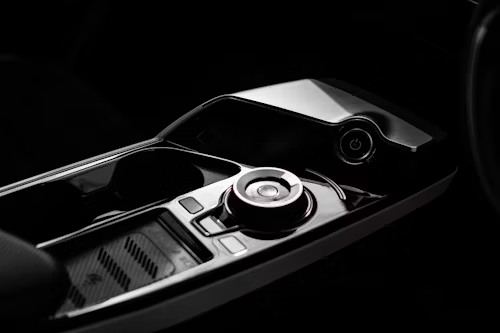
Exploring the Advancements in Smart Vehicle Technology

In an era where technology intertwines with every aspect of our lives, the automotive industry has not been left behind. With the rise of 'smart vehicle technology' and 'modern car technology,' our vehicles are no longer just means of transportation; they are becoming intelligent partners in our daily routines. This blog post delves into the latest advancements in smart vehicle technology, the significance of electric and smart car specialists, and what the future holds for automobile technology.
What is Smart Vehicle Technology?
Smart vehicle technology refers to the integrated technologies in cars that facilitate enhanced communication, safety, performance, and entertainment. These technologies are not only revolutionizing how we drive but are also impacting the environment and traffic management systems. From autonomous driving features to IoT-enabled devices that make cars a hub of seamless connectivity, the scope of innovations is broad and transformative.
Core Components of Modern Car Technology
Modern car technology encompasses a wide array of systems and features that bring new levels of functionality and user experience to automotive transport. Here are some of the core components:
- Autonomous Driving: Self-driving cars use sensors, cameras, and AI to navigate and drive without human intervention.
- Connected Car Technology: Vehicles that communicate with each other and road infrastructure to improve safety and traffic flow.
- Electric Powertrains: More manufacturers are investing in electric vehicles (EVs) which are powered by electric motors and batteries, reducing the reliance on fossil fuels.
- Advanced Driver-Assistance Systems (ADAS): These systems provide crucial information, automate tasks like parking, and actively help avoid accidents.
- Infotainment Systems: Modern vehicles feature integrated entertainment systems that support streaming, navigation, and smartphone connectivity.
The Role of Electric and Smart Car Specialists
As the technology in vehicles becomes more sophisticated, the role of 'electric car specialists' and 'smart car specialists' has become more crucial than ever. These professionals are not just mechanics; they are technologists equipped to handle the complex systems in modern cars.
Importance of Electric Car Specialists
Electric car specialists are critical in the automotive industry as they possess the expertise needed to maintain, repair, and optimize the performance of electric vehicles. They understand the nuances of electric powertrains, battery management systems, and software that are unique to EVs. As the adoption of electric vehicles grows, the demand for knowledgeable specialists in this field is rapidly increasing.
Importance of Smart Car Specialists
Smart car specialists, on the other hand, focus on the connectivity and autonomous technologies that modern vehicles are equipped with. These specialists help in troubleshooting software issues, updating systems, and ensuring that the smart features function as intended. Their knowledge helps in maximizing the capabilities of ADAS, IoT connectivity, and security features that protect the vehicle from cyber threats.
Challenges and Opportunities in Smart Vehicle Technology
While the advancements in vehicle technology bring exciting possibilities, they also present several challenges:
- Security Concerns: As cars become more connected, the risk of cyberattacks increases. Ensuring cybersecurity is paramount to protect users' data and prevent malicious control of the vehicle.
- Infrastructure Needs: Electric vehicles require widespread and accessible charging stations. Developing this infrastructure is vital for the adoption of EVs.
- Regulatory Hurdles: With technology moving fast, legislation and standards must keep up to ensure safety and privacy.
However, these challenges also open up opportunities for innovation and development in areas like cybersecurity solutions for vehicles, improved battery technology, and AI algorithms for better autonomous driving systems.
Future Trends in Smart Vehicle and Modern Car Technology
The future of smart vehicle technology is full of potential, with trends indicating a move towards more integrated, user-friendly, and environmentally conscious solutions. Some of the upcoming trends include:
- Increased Autonomy: Level 5 autonomy, where cars are fully autonomous and require no human oversight, could become a reality.
- Vehicle-to-Everything (V2X) Communication: This technology allows vehicles to communicate with everything in their environment, enhancing safety and traffic management.
- AI and Machine Learning: Further integration of AI will improve vehicle functionalities like predictive maintenance, personalized in-car experiences, and driving pattern analysis.
- Augmented Reality Dashboards: These will provide drivers with real-time information about their surroundings, blending data seamlessly with the physical world.
In conclusion, as we advance into the future, the roles of electric car specialists and smart car specialists will become increasingly significant in ensuring that the benefits of modern car technology are fully realized. The journey towards smarter vehicles is not only about enhancing mechanical functionalities but also about creating a sustainable and efficient ecosystem for future generations.
The automotive industry's shift towards smart vehicle technology not only signifies a leap towards a more integrated technological environment but also marks the beginning of a new era in transportation that prioritizes efficiency, safety, and sustainability. As we continue to witness and adapt to these changes, the excitement about what’s next in smart vehicle technology only grows stronger.