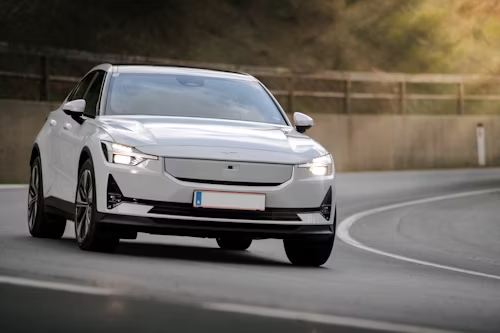
Driving Towards a Greener Tomorrow: A Deep Dive into Zero-Emissions and Smart Vehicle Technologies

As we move further into 2026, the push for sustainable and efficient transportation has never been more critical. As an entrepreneur deeply involved in tech and design, I've kept a keen eye on the evolution of zero-emissions transportation and smart vehicle technology. This sector not only appeals to my professional interests but also aligns with my personal commitment towards a greener planet. Today, I'm diving deep into the latest in car technology, focusing on zero-emissions vehicles (ZEVs) and the integrated smart technologies that enhance their efficiency and user experience.
Understanding Zero-Emissions Vehicles
Zero-emissions vehicles are designed to emit no exhaust gases from the onboard source of power. This is a significant step up from traditional combustion engines, which release carbon dioxide, a primary contributor to global warming. The most common types of ZEVs include battery electric vehicles (BEVs) and hydrogen fuel cell vehicles (FCVs).
In my experience, the appeal of BEVs lies in their efficiency and lower operating costs. They utilize electricity stored in a battery pack to power an electric motor. FCVs, on the other hand, generate electricity through a chemical reaction between hydrogen and oxygen, with water being the only emission.
ZEVs not only help in reducing environmental pollution but also offer a quieter, smoother drive and require less maintenance compared to their gasoline counterparts.
Key Benefits of Zero-Emissions Vehicles
- Reduced environmental impact
- Lower operating costs
- High energy efficiency
- Eligibility for tax credits and incentives
Adopting ZEVs can substantially lower your carbon footprint while saving money on fuel and maintenance in the long run.
Smart Vehicle Technology: Enhancing the Driving Experience
Smart vehicle technology in ZEVs is not just about propulsion without pollution; it's also about optimizing the driving experience through advanced features like autonomous driving, real-time traffic updates, and predictive maintenance. These technologies make use of sensors, cameras, and big data analytics to provide a safer, more convenient, and more enjoyable driving experience.
I've witnessed firsthand how smart technology integration can transform everyday transport. Features like automated parking, collision avoidance systems, and customizable ambient settings are no longer futuristic—they are here, enhancing how we interact with our vehicles.
Exploring the Impact of Smart Technologies on ZEVs
- Increased safety through advanced driver-assistance systems (ADAS)
- Enhanced comfort with automated climate control and seating adjustments
- Improved vehicle efficiency through route optimization and traffic management
- Greater accessibility via voice control and intuitive interfaces
Smart technologies not only complement the eco-friendly attributes of ZEVs but also elevate the user experience to unprecedented levels.
Challenges and Considerations for Adopting Zero-Emissions and Smart Vehicles
Despite the clear benefits, transitioning to zero-emissions and smart vehicles comes with its set of challenges. The initial cost can be a barrier for many, although long-term savings and environmental incentives can offset this. Additionally, the current infrastructure for charging stations and hydrogen fuel is not as ubiquitous as gas stations, which can be a concern for potential users.
Another aspect to consider is the technological dependency and the need for robust cybersecurity measures to protect against potential digital threats.
Addressing the Challenges
- Investing in home charging equipment for convenience
- Planning routes based on available ZEV infrastructure
- Staying informed about local and federal incentives for ZEV adoption
- Ensuring regular software updates and following best practices for cybersecurity
Being proactive and informed can mitigate many of the challenges associated with these advanced vehicles.
The Future of Transportation
The future of transportation is undoubtedly leaning towards sustainability and enhanced user experience. With continuous advancements in both zero-emissions and smart vehicle technologies, we are looking at a future where our cars are not only environmentally benign but are also an extension of our digital lives, offering convenience, safety, and personalization.
The integration of eco-friendly features with cutting-edge technology makes zero-emissions and smart vehicles a compelling choice for anyone looking to invest in the car of the future. How do you see yourself contributing to this sustainable future, and what are your main considerations when thinking about transitioning to a zero-emissions vehicle?