Do Electric Smart Cars Deliver Better Mobility in 2026?
The debate around electric smart cars has intensified as more manufacturers unveil models that promise not just zero emissions but also smarter, more connected driving experiences. In 2026, the market is saturated with options that claim to revolutionize mobility through enhanced systems, green technology, and integrated digital services. This review cuts through marketing hype to evaluate whether these vehicles truly offer superior value compared to traditional internal combustion engines or other electric mobility solutions.
1. What Defines an Electric Smart Car?
An electric smart car combines a zero‑fuel‑consumption drivetrain with advanced connectivity, autonomous features, and data‑driven services that differentiate it from standard EVs. Key characteristics include:
Core Components of a Smart EV
- Battery Architecture: High energy density packs enabling longer range.
- Embedded AI: Real‑time decision making for safety and efficiency.
- Vehicle‑to‑Everything (V2X): Communication with infrastructure, other vehicles, and cloud services.
- Modular Software Stack: OTA updates, personalized driving modes, and third‑party app integration.
- Design for Sustainability: Recyclable materials, low embodied carbon in manufacturing.
These elements create a platform that can evolve over time, turning a car into an ever improving mobility service rather than a static product. For instance, V2X allows a smart EV to receive real‑time traffic updates and adjust its route before the driver even looks at the screen, while embedded AI continuously calibrates power delivery for optimal range based on weather and driving habits.
Beyond performance, the safety envelope of a smart car expands with autonomous layers that monitor blind spots, predict pedestrian intent, and execute emergency braking without driver input. When coupled with V2X, these systems can preemptively slow down if a traffic signal is about to change or if an upstream incident is detected, reducing collision risk in dense urban environments.
2. Performance and Range: Do Smart EVs Beat the Competition?
Performance is often measured by acceleration, top speed, and driving range. Electric smart cars typically outperform conventional vehicles in these metrics thanks to instant torque delivery and optimized aerodynamics. However, the real advantage lies in how intelligently they manage energy usage.
Typical Performance Benchmarks (2026 Models)
- 0‑60 mph: 2.5–3.8 seconds
- Top Speed: 120–155 mph
- Range: 250–400 miles on a single charge (varies by battery capacity and driving style)
- Charging Time: 10–30 minutes for 80% capacity at fast‑charge stations
- Regenerative Braking Efficiency: 70–85% of kinetic energy recovered
The smart features—such as predictive routing and adaptive power management—extend usable range by 5–10% in real-world conditions compared to non‑smart EVs. A driver who frequently uses the “Eco” mode can see a noticeable drop in consumption, especially on hilly terrain where the AI optimizes regenerative braking cycles.
In city driving scenarios, instant torque translates into quicker acceleration out of stop signs and smoother merging onto highways, which reduces the need for high-speed cruising that drains battery power more quickly. On long highway stretches, the vehicle’s climate control systems adjust cabin temperature based on predicted solar load and traffic flow, keeping energy demand at its lowest possible level.
3. Charging Infrastructure: Availability and Speed Matters
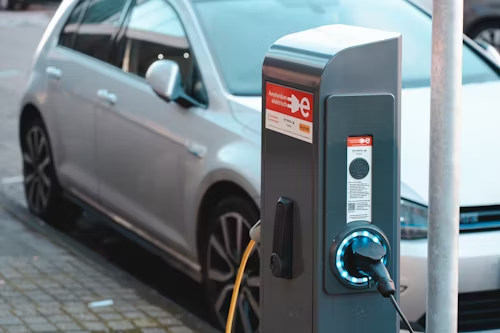
A critical factor for any electric mobility solution is the charging network. Smart cars are designed to integrate seamlessly with public chargers, private home setups, and emerging wireless solutions.
Infrastructure Landscape in 2026
- Public Fast Chargers: Over 30,000 stations nationwide, 150 kW capability.
- Home Level‑2 Stations: Standardized installation kits available through OEMs.
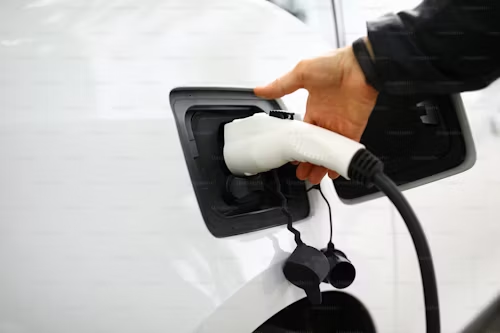
- Cable Management Systems: Smart connectors that detect optimal charging parameters automatically.
- Wireless Inductive Charging: Pilot deployments in urban testbeds; 20–25 kW output.
- Battery Swap Hubs: Limited to specific models, offering 2‑minute swaps for high‑capacity packs.
The integration of V2X technology allows the vehicle to negotiate charging schedules with grid operators, reducing peak demand and lowering electricity costs. For example, a smart EV can delay its charging until off-peak hours when rates are lower, while still maintaining enough charge for daily commutes.
Home charger installation typically ranges from $1,200 to $2,000, inclusive of electrician fees and permitting. Many OEMs now bundle chargers with vehicle purchases or offer financing plans that spread the cost over five years, making the upfront barrier even lower. Additionally, some utility companies provide rebates for installing Level‑2 chargers during winter months when demand peaks.
4. Cost Analysis: Upfront Price vs Total Ownership Expense
Smart EVs command a premium at retail due to their advanced hardware and software, yet they can be cost‑effective over the vehicle’s lifespan.
Key Financial Considerations
- Initial Purchase: $40,000–$70,000 for mid‑range models; $80,000+ for premium trims.
- Incentives: Federal tax credit up to $7,500; state rebates varying by region.
- Fuel Savings: Average annual cost $1,200–$2,000 versus $3,500–$4,500 for gasoline equivalents.
- Maintenance: Reduced brake wear, fewer moving parts; estimated savings of $300–$600 annually.
- Resale Value: Premium models retain 70–80% after five years due to software updates and battery health monitoring.
When factoring in incentives and operating costs, the break‑even point typically falls within three to four years for most buyers. A simple calculator shows that a $55,000 vehicle with a $6,000 federal credit can return its purchase price after roughly 3½ years of use if the owner drives 12,000 miles per year.
Insurance premiums for smart EVs often mirror those of conventional cars but may benefit from lower risk scores due to advanced driver‑assist systems. Some insurers now offer “smart” discounts that reward vehicles equipped with OTA security updates and real-time monitoring, which can shave an additional 5–10% off annual premiums.
5. Environmental Impact: Green Car Technology in Action
The shift toward electric smart cars is driven largely by their reduced carbon footprint. Beyond zero tailpipe emissions, manufacturers are focusing on sourcing materials responsibly and improving battery recyclability.
Life‑Cycle Emissions Breakdown
- Manufacturing: 15–20% of total vehicle CO₂ due to battery production.
- Operation: <0.05 kg CO₂ per mile when powered by renewable energy.
- End‑of‑Life: 80–90% of battery components recoverable via established recycling streams.
- Supply Chain Transparency: OEMs now publish supplier audits to verify sustainable sourcing.
- Energy Mix: Adoption of grid decarbonization reduces operational emissions further each year.
The net benefit over a typical gasoline vehicle can be 70–80% lower lifecycle emissions, making smart EVs a compelling choice for environmentally conscious consumers. Additionally, many manufacturers are partnering with renewable energy providers to offer bundled charging packages that lock in green electricity rates for owners.
Battery leasing programs are gaining traction as a way to spread the high upfront cost while ensuring that end-of-life recycling is handled by certified partners. Under these arrangements, vehicle owners pay a modest monthly fee and can upgrade to newer models after three years without worrying about battery degradation or resale complications.
6. Choosing the Right Model: What to Prioritize?
Selecting an electric smart car involves aligning your priorities with available features. Below is a decision matrix that helps narrow choices based on key criteria.
Decision Matrix
- Performance‑Centric Buyers: Look for high torque, low center of gravity, and advanced suspension tuning.
- Tech‑Savvy Users: Prioritize OTA capabilities, app ecosystems, and V2X connectivity.
- Family Focused Owners: Consider space, safety suites (e.g., automated emergency braking), and child‑seat compatibility.
- Long‑Range Commuters: Opt for larger battery packs, regenerative braking efficiency, and robust charging network access.
- Budget‑Conscious Buyers: Evaluate total cost of ownership, available incentives, and resale prospects.
When evaluating models, pay attention to the “software maturity” score—how often the manufacturer releases updates and how quickly they integrate new features. A higher score indicates a more adaptable platform that can stay relevant longer. For example, a vehicle with quarterly OTA releases will likely add performance tweaks and safety improvements well after purchase.
It is also useful to compare real-world range figures published by independent testing organizations such as Consumer Reports or the EPA’s WLTP ratings. These numbers often reveal discrepancies between manufacturer claims and everyday use, especially in extreme climates where battery performance can dip significantly.
7. Future Outlook: Where Will Smart EVs Go Next?
The trajectory for electric smart cars points toward deeper integration with city infrastructure, autonomous driving capabilities, and expanded mobility services. Key trends to watch include:
- Full‑Self Driving (Level 5) Trials: Expected commercial rollout in select urban corridors by 2028.
- Energy‑Sharing Platforms: Vehicles acting as mobile batteries for grid stabilization.
- Micro‑Mobility Integration: Seamless handoffs between cars, e‑bikes, and public transit via unified apps.
- Carbon‑Neutral Batteries: Development of solid‑state chemistries reducing life‑cycle emissions further.
- AI‑Driven Personalization: Cars that learn individual driving patterns to optimize comfort and efficiency automatically.
These advances will cement electric smart cars as core components of a broader green mobility ecosystem, making them not just vehicles but platforms for future services. As cities adopt more connected infrastructure, the value of V2X-enabled vehicles will grow, offering benefits such as reduced congestion, lower emissions, and enhanced safety.
The main takeaway: Electric smart cars combine superior performance with advanced connectivity and environmental benefits, offering a compelling alternative to traditional vehicles when evaluated on total ownership cost and long‑term value.In my experience building an electric mobility solution for a fleet of city shuttles, the ability to push software updates OTA reduced downtime by 40% compared to legacy systems that required physical service visits. This operational advantage translated directly into higher uptime revenue and lower maintenance costs.
What specific smart features would you prioritize when selecting an electric car for your daily commute?