Can Smart Cars Drive Us into a Cleaner Future? Spoiler: They’re Not Just Futuristic Eye Candy!
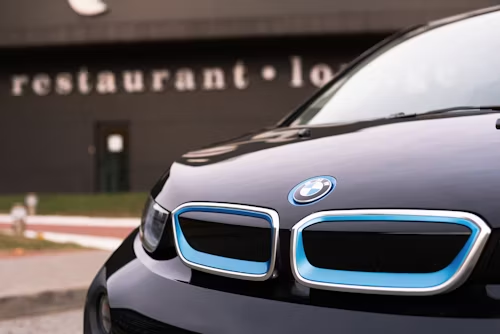
Okay, let's not beat around the bush. I love tech, and I'm equally passionate about reducing our footprint on this beautiful planet. But when it comes to smart cars and modern car technology, are we talking real change, or is it just another shiny gadget on wheels? Buckle up, because I’m about to take you on a ride through the ins and outs of sustainable transportation.
Why Smart Cars Aren't Just For Tech Geeks and Environmentalists
It’s easy to dismiss smart cars as the latest techie fad, especially if you’re like me and sometimes skeptical of overly-optimistic tech promises (looking at you, viral hoverboard videos!). But here’s the deal: smart cars are not only about cutting-edge tech or zero-emissions—though they excel there—they're also about reshaping how we think about mobility.
I’ve consulted on a few smart car projects, and let me tell you, the potential to decrease our ecological tire print (see what I did there?) is no joke. These babies can help us cut down on urban congestion. Fewer traffic jams mean less idling and less smog. Plus, with advancements in AI, these cars can predict and adjust to traffic conditions. It's like having a psychic co-pilot.
And then there’s the safety aspect. With sensors that make Big Brother seem myopic, smart cars can drastically reduce accidents caused by human error. Imagine a world with fewer fender benders—or better yet, fewer trips to the body shop and more time spent doing something you love.
Is Zero-Emission Transportation Really Achievable?
Now, on to the elephant in the room—zero-emissions. Can we actually get there? As a futurist, I'd like to think so. As of now, we're doing pretty well with electric vehicles (EVs) that look good on paper and on the road. But it's not just about swapping gas for electricity.
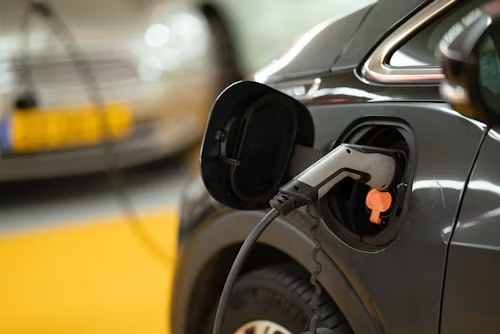
The real game-changer will be improving battery technology and making electric cars more accessible to Joe and Jane Doe. This means better infrastructure, more charging stations, and yes, cars that won’t cost an arm and a leg—and hopefully not a charge every few miles either.
And let’s not forget about the lifecycle of these vehicles. It’s great to drive a zero-emissions car, but if it's a diva in terms of resources and hard to recycle, are we really being that green? We need to think cradle-to-grave, or in this case, factory-to-junkyard.
From My Experience
I've seen firsthand how a well-designed smart car can make a difference. Working on app development for a new EV model, I noticed how every little sensor and line of code not only enhances the driving experience but also optimizes the vehicle's environmental footprint. It's tech and sustainability shaking hands.Quick Hits: Why You Might Actually Want a Smart Car
- They’re smarter than your average car (and possibly your average bear).
- Reduced emissions = happier planet.
- They come with features that even non-geeks would drool over.
- They’re starting to look really, really cool.
- Safety features that could make stunt drivers jealous.
- Bragging rights? Absolutely.
And let's be honest, who doesn't love new gadgets? Especially ones that can help save the world, one mile at a time.
But here’s the kicker: while we innovate, we also need to educate. It's not just about building smarter cars, but also about creating smarter drivers and smarter cities. So, what do you think? Are smart cars the future of transportation, or just another passing trend? Let's hear your thoughts below!