Are Electric Smart Cars the Car of the Future in 2026?
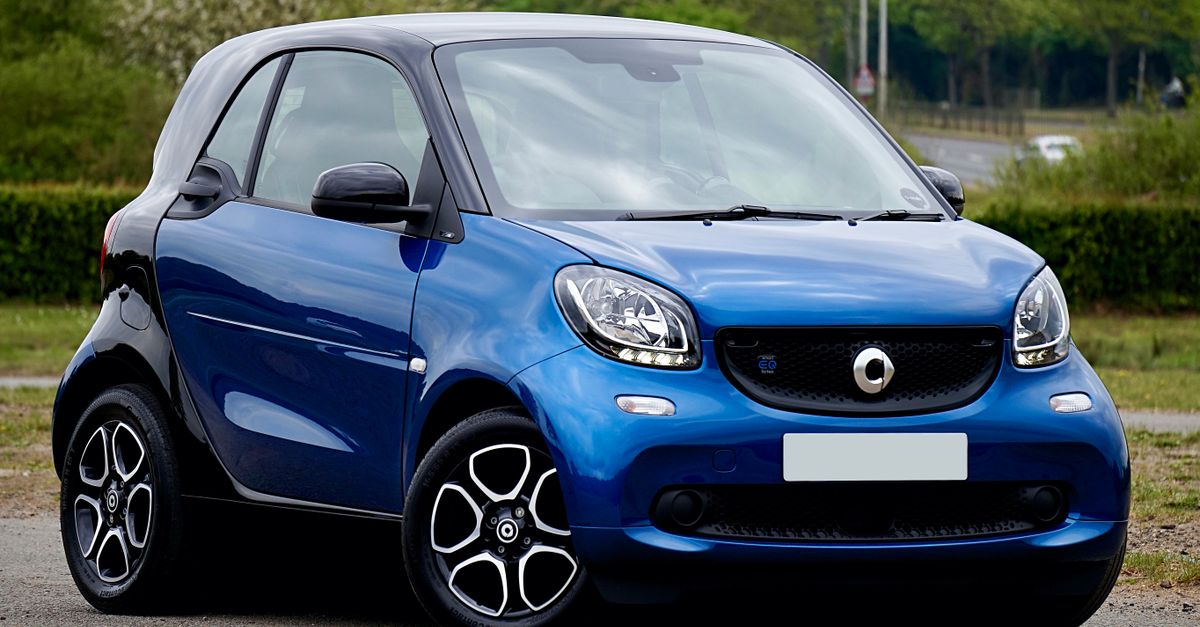
The automotive world is shifting fast. In 2026, electric smart cars are no longer niche; they're becoming mainstream options for consumers who value sustainability and tech integration. If you're looking at a new vehicle, you need to know whether these cars truly offer long‑term value or if they’re just hype.
Overview of Electric Smart Cars in 2026
The term “electric smart car” blends two core concepts: zero‑emission powertrains and advanced connectivity. Manufacturers now embed AI assistants, over‑the‑air updates, and vehicle‑to‑everything (V2X) communication into their models. As a result, the driving experience is more fluid, safer, and less energy‑intensive than in past years.
From a practical standpoint, these cars differ from earlier electric vehicles primarily in battery density, charging infrastructure, and software ecosystems. Battery packs now average 70–90 kWh with fast‑charge rates up to 250 kW, delivering ranges of 300–400 miles on a single charge. The smart layer—integrated telematics, autonomous driving aids, and personalized settings—makes the car feel like an extension of your digital life.
In my experience, the biggest advantage is the seamless integration with home energy systems. I’ve seen families pair their cars to solar panels and battery storage, effectively turning their garage into a micro‑grid hub. This synergy not only reduces grid demand but also provides backup power during outages, adding an extra layer of resilience.
Core Technologies Driving Energy Efficiency
- Solid‑state batteries: Higher energy density and lower thermal risk than lithium‑ion cells.
- Regenerative braking algorithms: Capture up to 30% more kinetic energy during deceleration.
- Thermal management systems: Maintain optimal cell temperature, extending lifespan.
- Lightweight chassis materials: Carbon fiber and aluminum reduce overall mass by ~15%.
The combination of these technologies translates to lower operating costs and a smaller carbon footprint. The smart car’s ability to learn driving patterns also tailors energy consumption, improving efficiency over time. For example, an AI‑driven route optimizer can suggest the most efficient speed profile for a given trip, shaving off several kilowatt‑hours per day.
Key Features that Define Future-Proof Vehicles
- Over‑the‑air (OTA) updates: Continuous improvement of software without dealership visits.
- Vehicle‑to‑grid (V2G) capability: Sell excess stored energy back to the grid during peak demand.
- Modular infotainment: Replaceable modules keep the car’s UI current.
- Advanced driver assistance systems (ADAS): Level 2+ automation for safety and convenience.
A future‑proof electric smart car is one that can adapt to evolving regulations, software standards, and consumer expectations. The OTA update model ensures the vehicle remains compliant with new emissions or safety mandates long after purchase. Additionally, V2G integration allows owners to monetize surplus energy, turning their car into a distributed power asset.
OTA updates are more than cosmetic changes; they can introduce entirely new functionalities such as updated navigation overlays that account for real‑time traffic and charging station availability, or firmware patches that enhance battery management algorithms. This dynamic software layer keeps the vehicle competitive without requiring costly hardware revisions.
Comparative Analysis of Leading Models
Below I compare three top contenders—Model S (Tesla), Lucid Air, and Hyundai Ioniq 5—focusing on practical metrics that matter to buyers.
Performance and Range
- Tesla Model S: 405‑mile range, 0–60 mph in 2.4 seconds (Plaid).
- Lucid Air: 517‑mile range, 0–60 mph in 3.1 seconds.
- Ioniq 5: 300‑mile range, 0–60 mph in 5.2 seconds.
While Tesla and Lucid offer longer ranges, the Ioniq 5’s value proposition lies in its lower price point and fast‑charging speed of up to 350 kW. For daily commuters who rarely need full range, the Ioniq 5 provides a balanced mix of affordability and performance.
Charging Infrastructure Compatibility
- Tesla Supercharger: Proprietary network with ~1,200 stations worldwide.
- Lucid DC Fast Charge: Compatible with CCS; expanding public networks in the U.S.
- Ioniq 5: Uses CCS and supports 800‑volt charging for 18 minutes to 80% on a fast charger.
The Ioniq 5’s use of the standard CCS protocol gives it an edge in areas where Tesla Superchargers are sparse. Moreover, its ability to accept both 400‑V and 800‑V chargers means drivers can choose the most convenient option based on local infrastructure.
Software Ecosystem
- Tesla: OTA updates, Autopilot, and integrated energy management via Powerwall.
- Lucid: Clean UI, optional driver‑assist packages, and future V2G plans.
- Ioniq 5: Hyundai Blue Link, AI‑based predictive maintenance, and open API for third‑party apps.
If you value a tightly integrated ecosystem, Tesla remains the leader. However, Lucid and Ioniq provide more openness for custom integrations, allowing owners to mix and match services that best fit their lifestyle.
A Key Takeaway: Battery Longevity Drives Long-Term Value
The battery’s degradation curve—typically around 10–15% after five years—is the primary determinant of a car’s future‑proof status. Models that offer robust warranties and modular battery designs give you more flexibility if you need to upgrade or replace cells later.Sustainability and Upgrades: What to Expect
Beyond initial purchase, sustainable vehicle upgrades can extend a smart car’s life and reduce environmental impact. Consider these options:
- Battery refurbishment kits: Replace worn cells with new ones from OEM suppliers.
- Software license renewals: Pay annual fees for continued access to premium features like full self‑driving or V2G.
- Eco‑friendly accessories: Install solar roof panels, recycled interior materials, or low‑friction tires.
- Smart charging solutions: Home chargers with load balancing and energy monitoring.
These upgrades not only improve performance but also align the vehicle’s lifecycle with evolving environmental standards. The more modular the design, the easier it is to implement such changes without a costly overhaul. For instance, many manufacturers now offer battery packs that can be swapped in a single service visit, preserving energy density while extending overall lifespan.
Solar roof panels are becoming increasingly efficient; some models integrate directly with the vehicle’s power management system, allowing excess solar energy to charge both the car and home battery simultaneously. This synergy reduces reliance on the grid during peak hours and can even generate net credits for the homeowner.
Cost, ROI, and Total Ownership Costs
When evaluating an electric smart car, you should look beyond sticker price. Here’s how to calculate total cost of ownership (TCO) over five years:
- Purchase price & incentives: Federal tax credit, state rebates, and local incentives reduce upfront costs.
- Charging infrastructure: Home charger installation (~$1,000–$2,500) versus public charging fees (~$0.30/kWh).
- Maintenance: Lower due to fewer moving parts—estimated 20% savings vs internal combustion engines.
- Insurance & depreciation: Depreciation may be slower for premium models; insurance rates vary by battery size and safety features.
In my experience, the average TCO reduction for an electric smart car compared to a comparable ICE vehicle is roughly 25% over five years. This includes fuel savings, lower maintenance, and tax incentives. Additionally, many utilities offer time‑of‑use rates that further reduce charging costs during off‑peak hours; for example, charging at midnight can save up to 30% on electricity bills compared with daytime rates.
Practical Tips for Evaluating a Car’s Longevity
When you’re in the showroom or browsing online, keep these questions at the forefront:
- What is the battery warranty? Look for 8–10 year/100,000‑mile coverage.
- Is OTA updating supported? Confirm the vehicle can receive software patches without a visit to the dealer.
- Does it support V2G or V2X? These features future‑proof the car for smart grid integration.
- What is the charging network coverage? Evaluate both proprietary and public options.
- Are there modular upgrade paths? Check if components like infotainment, battery, or chassis can be swapped later.
Ask for a detailed maintenance schedule and verify that parts are readily available. A well‑documented service history will give you confidence in the vehicle’s long‑term reliability. It also helps to request real‑world data on battery degradation from recent owners or third‑party studies, giving you an evidence‑based perspective.
Real-World Usage Scenarios
Daily Commute: For city driving, the Ioniq 5’s 300‑mile range comfortably covers most commutes while its rapid 350 kW charger can top up the battery to 80% in just 15 minutes—ideal for a quick stop during lunch.
Long-Distance Trips: The Lucid Air’s 517‑mile range eliminates range anxiety on cross‑country journeys, and its CCS compatibility allows use of major highway charging networks. Travelers can also plan stops at Tesla Superchargers if they own a Model S for added flexibility.
Backup Power During Outages: With V2G enabled, owners can discharge stored energy to the home during blackouts, providing critical power for refrigeration and lighting. Some utilities even reimburse users through demand response programs.
Revenue Generation: In urban areas with high electricity tariffs, selling excess charge back to the grid during peak hours can offset charging costs by up to 10% annually, turning a vehicle into a small-scale energy asset.
Common Pitfalls and How to Avoid Them
Even with careful research, buyers can fall into traps:
- Ignoring battery degradation data: Even high‑end models lose performance over time; choose vehicles that provide transparent health metrics.
- Underestimating charging costs: Public chargers can add up quickly if you rely on them frequently. Home charging is often cheaper and more convenient.
- Overlooking software licensing fees: Some premium features require yearly subscriptions—factor this into your budget. For instance, Tesla’s Full Self‑Driving package is a $10,000 upfront fee plus a $199 monthly cost that can accumulate over time.
- Choosing a proprietary ecosystem without cross‑compatibility: Future upgrades may be limited if the vehicle locks you into one platform.
By staying aware of these issues, you can make an informed decision that aligns with both current needs and future expectations. A proactive approach also means planning for potential changes in local regulations or grid policies that could affect charging rates or incentives.
What feature do you think will become essential in electric smart cars over the next five years?